A new landmark takes shape
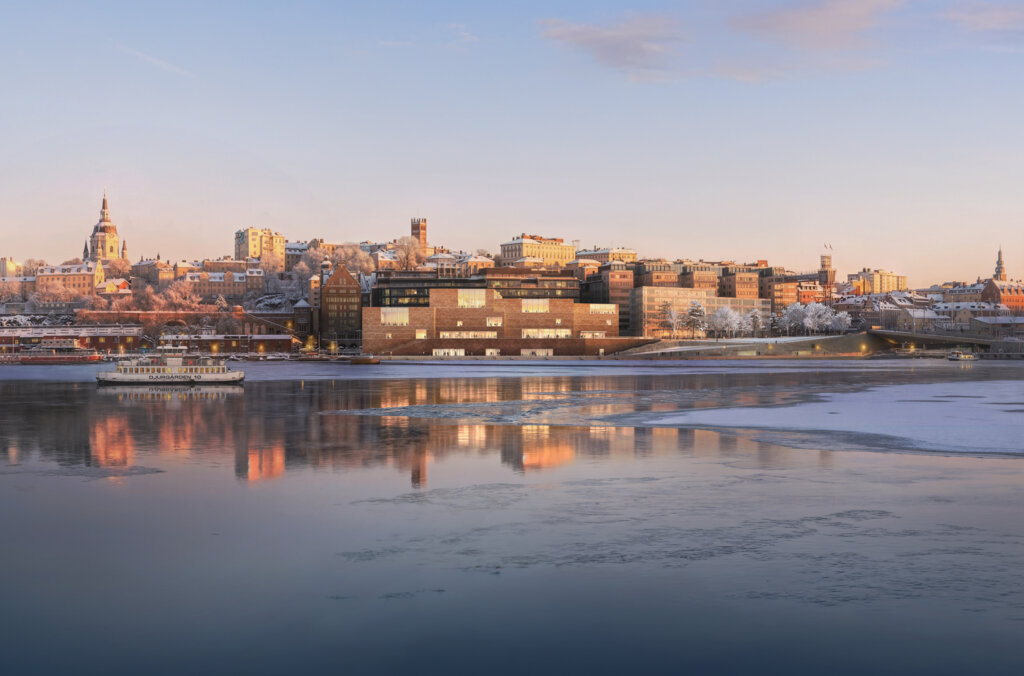
Nobel Center offers a new landmark on the waterfront in the Swedish capital – an international symbol of knowledge, science, literature and peace.
At David Chipperfield Architects in Berlin, a building has taken shape, piece by piece, over several years. The process is characterised by a desire for simplicity and long-term sustainability.
Materials and sustainability
Through the careful selection of materials, a house will be created that combines gravity and elegance, while remaining warm and inviting. The goal is to create a sense of home – a destination you want to return to.
A key strategy has been to minimise the quantity of materials – in particular steel and concrete – used in the building’s core. Reuse has been another guiding principle. Where possible, components will be reclaimed from nearby buildings that have recently been, or are soon-to-be, demolished. The building consists of four interconnected volumes that interact with the buildings of Södermalm and the size and height of the 17th-century buildings in Gamla stan.
With the new terrace in front of the entrance, the ground floor becomes an extension of the public space, open and transparent, with entrances to the north and south as well as a foyer with a shop and a restaurant. The terrace in front of the entrance and the open roof terraces will become new meeting spots in Stockholm with an amazing view of both the Baltic Sea and Lake Mälaren.
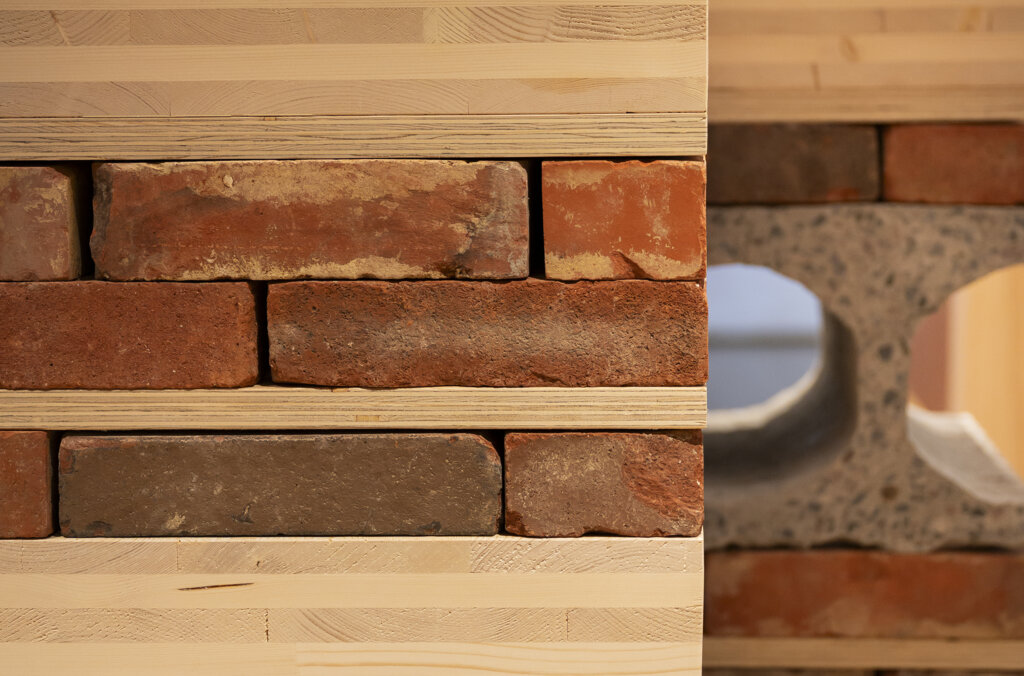
The building is constructed using recycled bricks. Bricks have characterised the architecture of Stockholm for centuries. The red shades in Stockholm’s classic brick buildings, such as City Hall, set the tone for the building.
This property was originally intended for an office building, for which there is already an approved detailed development plan. The detailed development plan specifies clear and specific frameworks concerning the shape, height and width of the building.
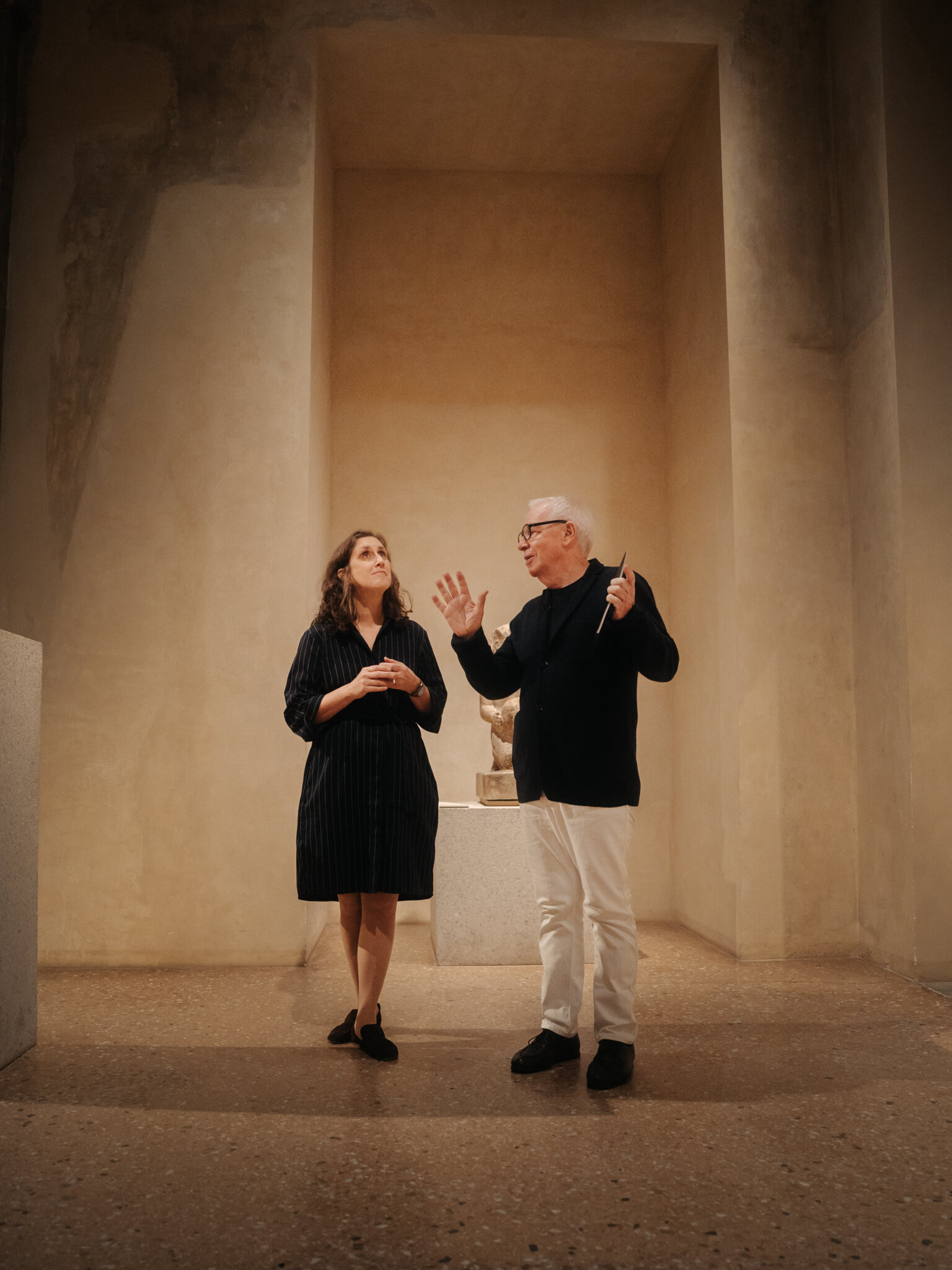
“This project offers the opportunity to create the first dedicated home for the activities surrounding the Nobel Prize. Conceived as open house for science, literature and dialogue, we have sought to design a building that fulfils this responsibility on several scales.
Sir David Chipperfield, Founder of David Chipperfield Architects
Shaped by its prominent location on the Slussen waterfront, it has a distinctively civic presence rooted in its location and daily life of the city, while also reflecting the broader significance of the Nobel Prize. At a time when expertise and informed debate are more vital than ever, our hope is that the Nobel Center will stand as a resilient space of knowledge and exchange.”
David Chipperfield Architects about the project
Hear architects David Chipperfield, Jan Parth, Franziska Rusch and Hubert Pawela speak about creating a public building for the history and future of the Nobel Prize.
Jan Parth, architect at David Chipperfield Architects, answers questions about the project in the three short films below.
Where did you find inspiration for the building?
Why do you use reused bricks?
How did you approach the placement of the windows?