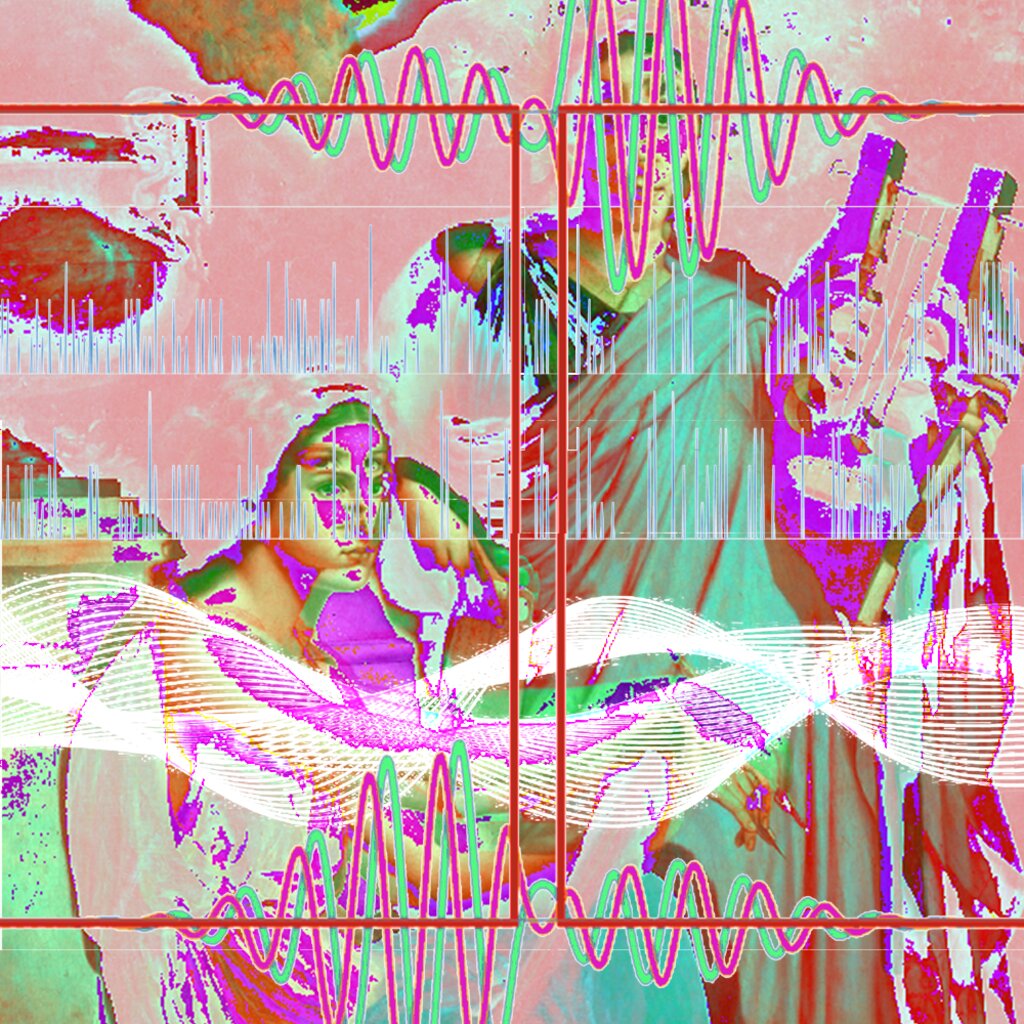
Welcome to an evening where the artist Maria Kling lets quantum physics speak through a performance of sound and rhythm together with musicians from the Royal College of Music. The musicians have developed electronic instruments and scores in this collaboration based on the rules and phenomena of quantum physics.
Inspired by the the 2025 Nobel Prize in Physics the concert interprets quantum physics—the branch of physics that describes matter and energies on atomic and subatomic levels. Throughout the evening, Kling explores how fundamental quantum phenomena and data can be translated into music.
Between the musical pieces, Kling explains the foundational principles of quantum physics. Through conversation and music, quantum physics becomes both easier to understand and more vivid on a human level.
About the sound piece
The piece was created by the artist Maria Kling together with five master’s students from the Royal College of Music and researchers from Germany.
The music in this concert is deeply infused with, and based on, the rules of quantum physics and actual quantum data. The students have programmed electronic instruments inspired by fundamental quantum effects and their measurement: entanglement, phase effects, and tunneling. These instruments are performed live during the concert by the students.
In addition, they use real sonified quantum‑experiment data from the Institute for Photonic Quantum Systems in Paderborn, allowing us to hear different forms of light in quantum effects.
Musicians Royal Collage of Music
Hadrian Prett – electronics
Elize Arvefjord – electronics
Daniel Puerto – electronics
About the programme
Date
6 March 2026
Time
18:00–19:00
Location
Nobel Prize Museum
Language
English
Admission
160 SEK adults
120 SEK students/seniors
Free admission for members
Tickets
Food and beverage
Lighter meals are available at Bistro Nobel for programme participants
The 2025 Nobel Prize in Physics
In 2025 the Nobel Prize in Physics was awarded to John Clarke, Michel H. Devoret och John M. Martinis “for the discovery of macroscopic quantum mechanical tunnelling and energy quantisation in an electric circuit”.
The laureates conducted experiments with an electrical circuit in which they demonstrated both quantum mechanical tunnelling and quantised energy levels in a system big enough to be held in the hand.
Before your visit
Bags and wardrobe
We advise you to not bring larger bags to the museum. In our cloakroom, there are a limited number of small lockers and lockable coat hangers. The cloakroom is unattended.
Photo policy
You are welcome to take photos and film at the museum, but please do not photograph or film the staff. We photograph, film and live-stream some of our events. The material can be used in the Nobel Prize Museum’s communication channels and marketing. If an event is arranged in collaboration with another actor, the material can be used in their communication.
Accessibility
On the museum’s accessibility site ypu can find information about our facilities, and available resources. Click on the link below to read more.
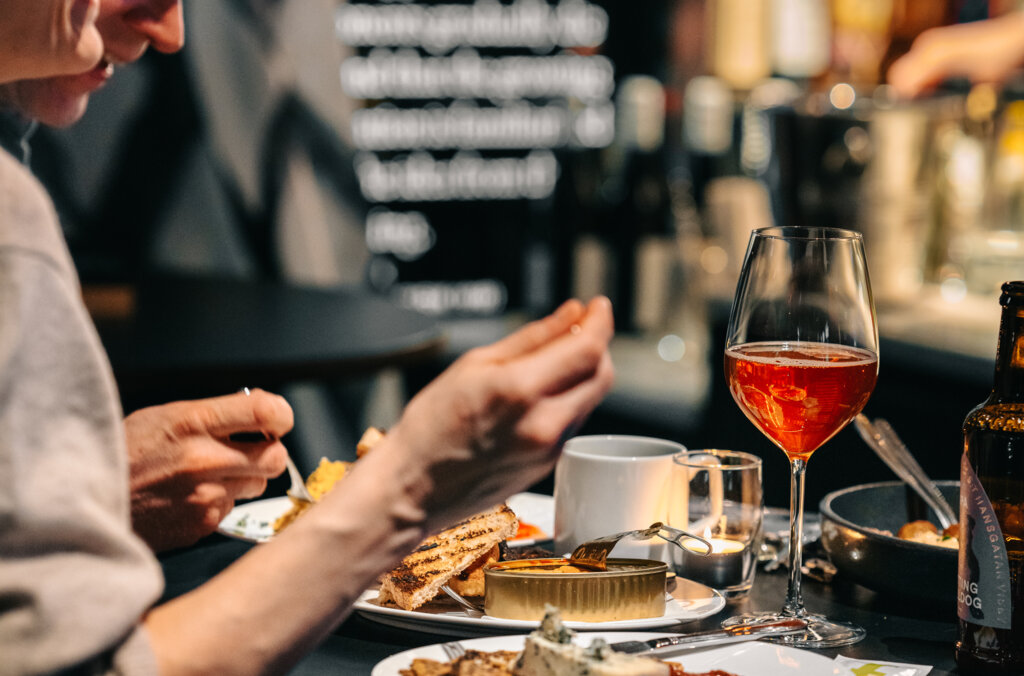
Bistro Nobel
Enjoy well-prepared lunches on weekdays, or start your weekend with us on Friday evenings.
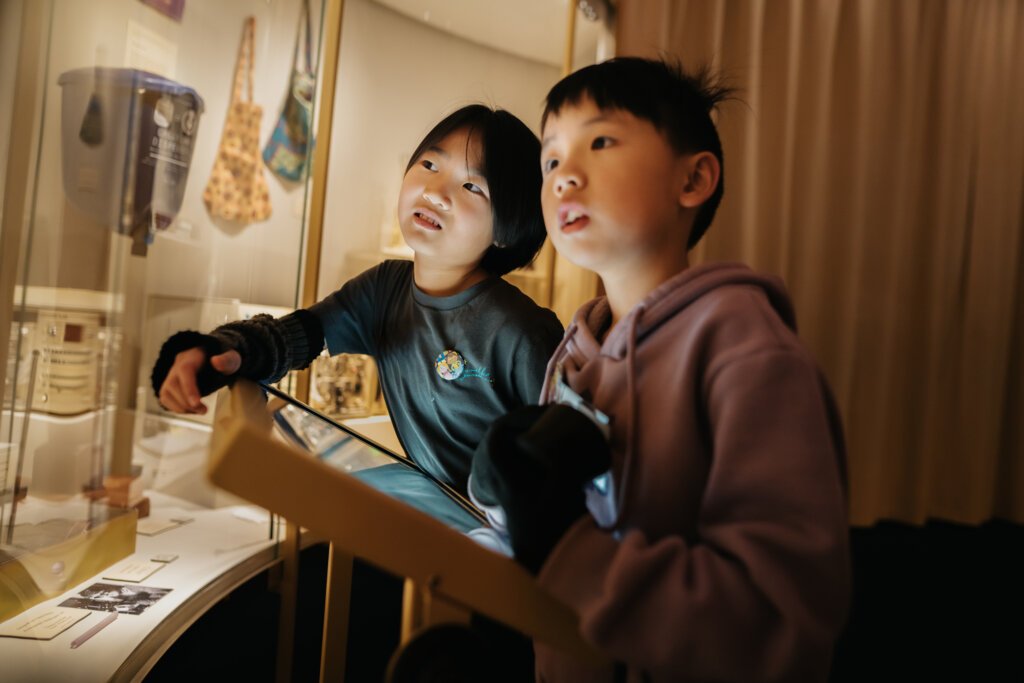
For families
Experiment in our workshop room, take a quiz or explore the childrens room.
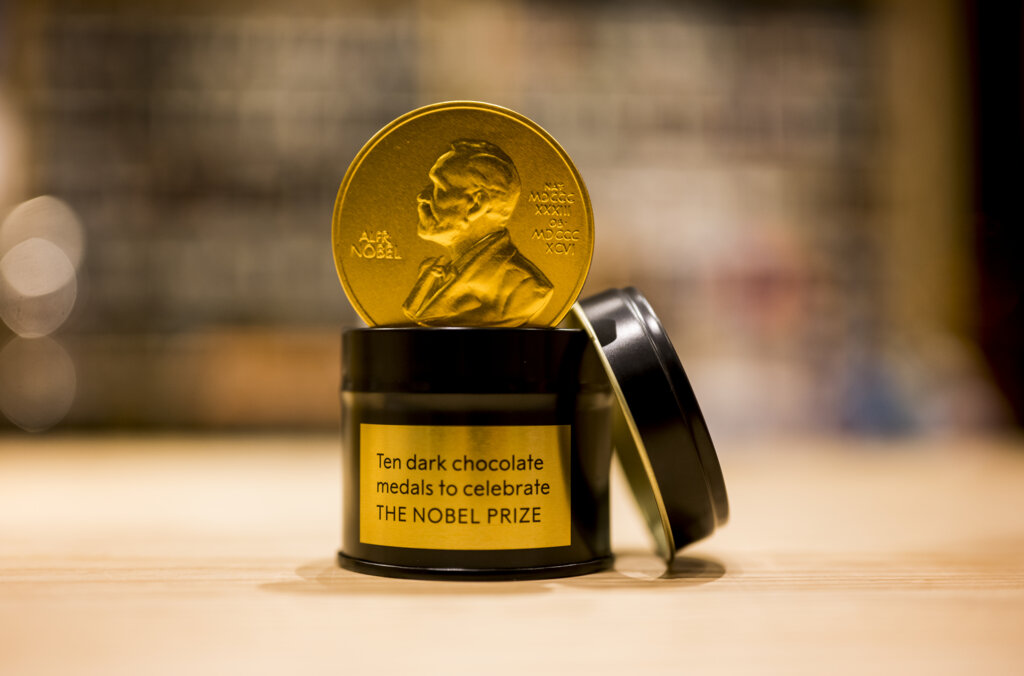
The shop
Discover a range of literature, gifts and souvenirs connected to the Nobel Prize.
Become a member,
experience more
Get free admission to the museum, and discounts in the shop and bistro. Enjoy priority access and discounts on concerts, previews, talks, and lectures.
Events
Friday nights at the museum
Explore our events, which span from concerts, literary talks, lectures, and performances to food and drink tastings.