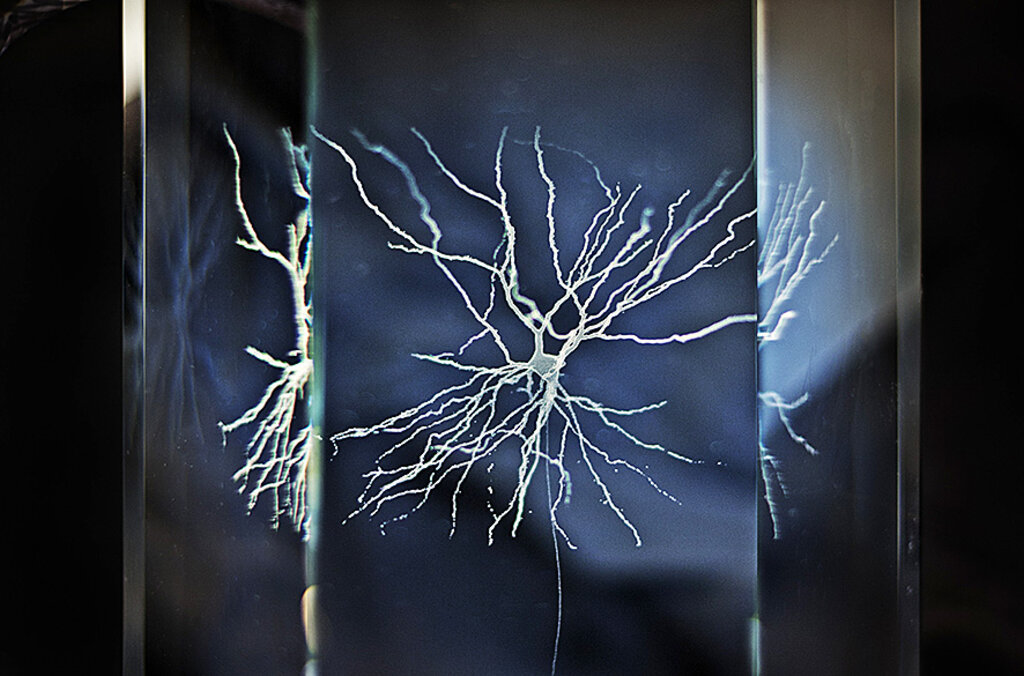
This programme is held in Swedish
We can cure diseases and reduce the risk of premature death by living a healthy life, but does the cells’ own chemistry set a limit to how long we can live?
Welcome to the second part of the conversation series Three museums on death, where chemist Ulf Ellervik talks about what happens in our cells when we live, when we die – and why we cannot live forever.
The conversation is recorded for the Nobel Prize Museum’s podcast Ideas That Change the World, and hosted by Gustav Källstrand, historian of ideas and Nobel expert.
Three museums on death
Nordiska museet, Nationalmuseum, and the Nobel Prize Museum invite you to a conversation series where we approach life’s big questions through cultural history, art and science.
During the spring, we gather around humanity’s view of death – in conversations with chemists, artists and folklorists. Together, we explore magical beliefs and rituals surrounding the end of life, death in art, and the cell’s own life cycle.
Ulf Ellervik
Ulf Ellervik is a professor of organic chemistry at Lund University of Technology. In 2018, he was elected a member of the Royal Swedish Academy of Sciences, and since 2022 he has been the chair of its Education Committee.
Gustav Källstrand
Gustav Källstrand is a Nobel expert at the Nobel Prize Museum, host of the podcast Idéer som förändrar världen, and author of the book Tänk som en Nobelpristagare.
About the programme
Date
Friday 27 March 2026
Time
18:00–19:00
Location
Nobel Prize Museum
Language
Swedish
Price
160 SEK adults
120 SEK students and seniors
Free admission for members
Tickets
Food and beverage
Lighter meals are available at Bistro Nobel for programme participants
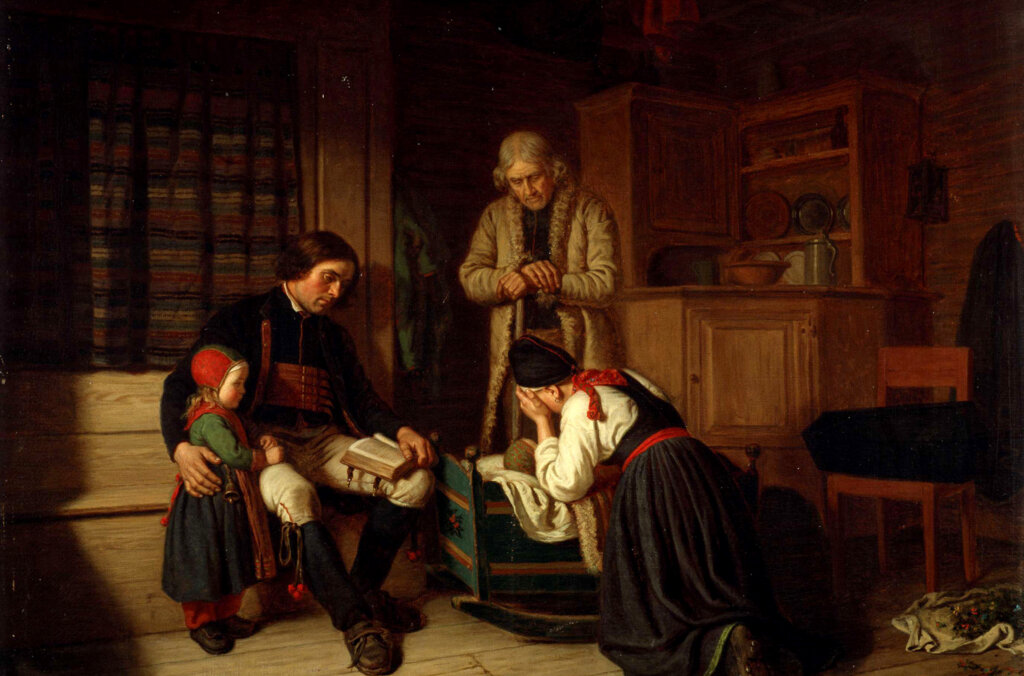
Nordiska museet: Humans and death
Wednesday 11 March
17:30–19:00
How do humans relate to death? Curator Marit Baer and ethnologist Jonas Engman meet in a conversation about folk narratives and beliefs surrounding death, and about rituals at the end of life.
The invited guest is Pia Kristoffersson, Civil Celebrant through her company LIV & DÖD Kulturbegravningar.
Read more about the programme on Nordiska museet’s website (in Swedish).
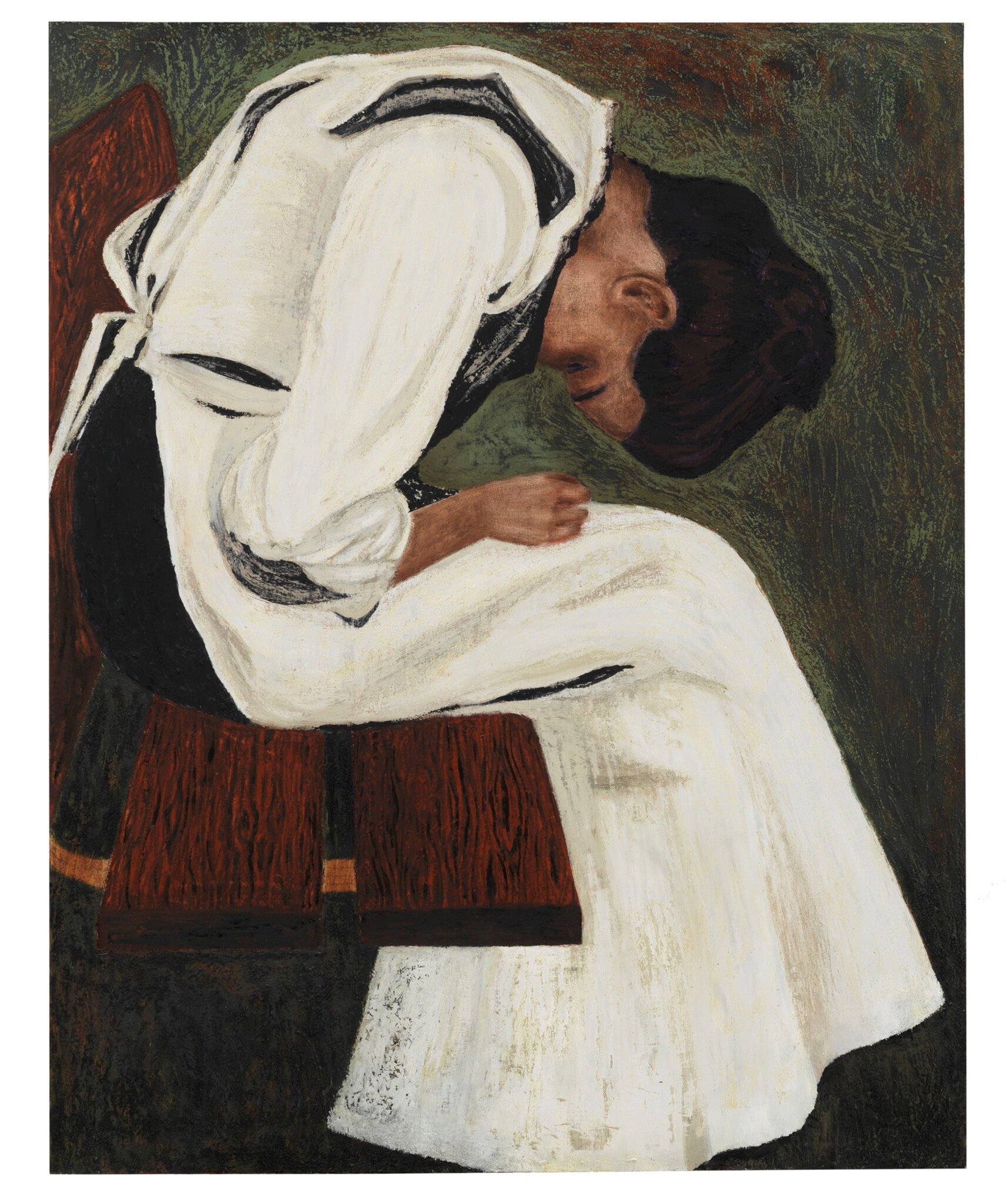
Nationalmuseum: Art and death
Date: Thursday 9 April
Time: 18:00–19:00
Ever since antiquity, artists have been fascinated by death. But how do we view death in art? Artist Karin Mamma Andersson and curator Carl-Johan Olsson discusses.
Read more about the programme on Nationalmuseum’s website (in Swedish).
Before your visit
Bags and wardrobe
We advise you to not bring larger bags to the museum. In our cloakroom, there are a limited number of small lockers and lockable coat hangers. The cloakroom is unattended.
Photo policy
You are welcome to take photos and film at the museum, but please do not photograph or film the staff. We photograph, film and live-stream some of our events. The material can be used in the Nobel Prize Museum’s communication channels and marketing. If an event is arranged in collaboration with another actor, the material can be used in their communication.
Accessibility
On the museum’s accessibility site ypu can find information about our facilities, and available resources. Click on the link below to read more.
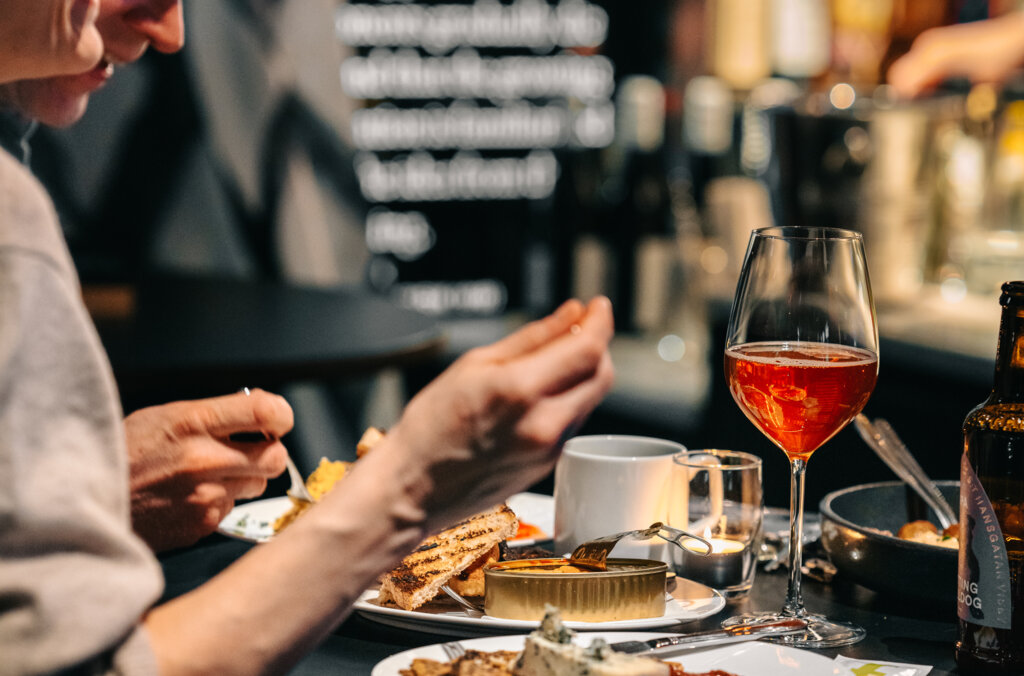
Bistro Nobel
Enjoy well-prepared lunches on weekdays, or start your weekend with us on Friday evenings.
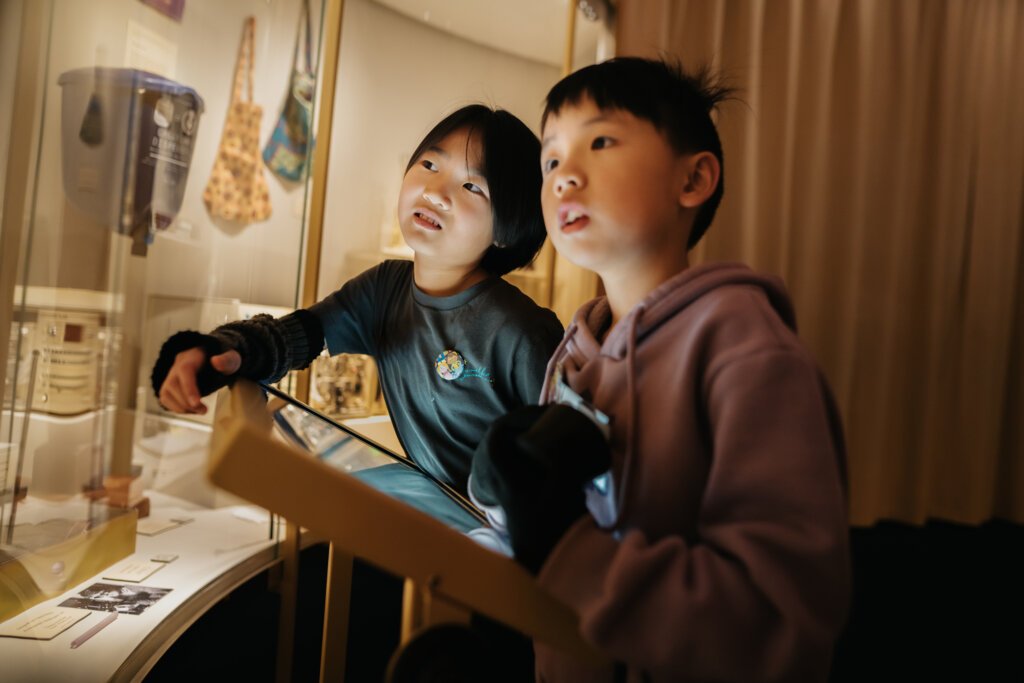
For families
Experiment in our workshop room, take a quiz or explore the childrens room.
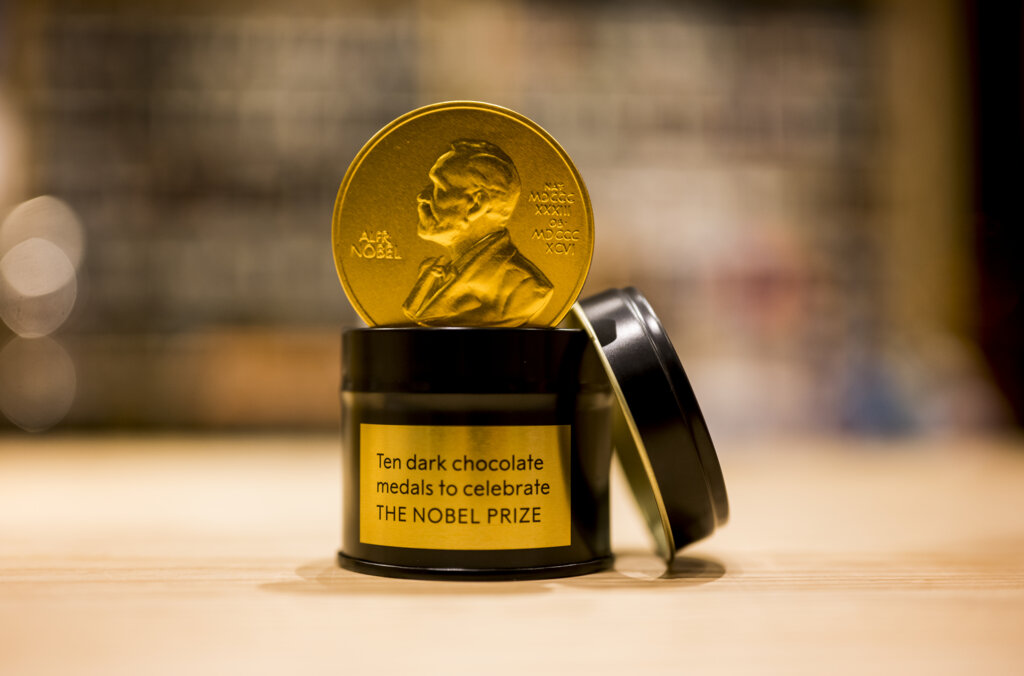
The shop
Discover a range of literature, gifts and souvenirs connected to the Nobel Prize.
Become a member,
experience more
Get free admission to the museum, and discounts in the shop and bistro. Enjoy priority access and discounts on concerts, previews, talks, and lectures.
Events
Friday nights at the museum
Explore our events, which span from concerts, literary talks, lectures, and performances to food and drink tastings.