Nobel Prize Teacher Summit 2026
Speakers
Meet Nobel Prize laureates, top scientists and change makers at the Nobel Prize Teacher Summit 2026.
Read more about the speakers and team behind the summit here.
Speakers
Morten Meldal, Nobel Prize in Chemistry, 2022
Emilie Agardh, Associate Professor of Epidemiology at Karolinska Institutet
Tobias Alfvén, Paediatrician and Professor in Global Child Health at Karolinska Institutet
Otto Cars, Professor Emeritus of Infectious Diseases at Uppsala University
Anna Mia Ekström, Physician and Professor of Global Infectious Disease Epidemiology at Karolinska Institutet
Alvin Eklund, Dancer, Toledo Company
Sara Fritzell, Senior Analyst and researcher at the Public Health Agency of Sweden
Authia Gray, Research scientist at the Institute for Health Metrics and Evaluation at University of Washington
Natalie Groom (pre-recorded video), Country Representative for the Swedish Red Cross in Sudan
Nour Hammad (pre-recorded video), Communications Officer, World Food Programme in Gaza
Anders Hansen, Psychiatrist, speaker, and TV show host
Mia Hejdenberg, Medical Humanitarian Advisor at Médecins Sans Frontières (MSF) Sweden
Nancy Lavalie (pre-recorded video), Clinical Officer at Médecins Sans Frontières, Sierra Leone
Vincent Mougin, Research scientist at the Institute for Health Metrics and Evaluation at University of Washington
Alexander Norén, Senior business and tech correspondent at Swedish Television
Oskar Nyberg, Antibiotic resistance expert at ReAct Europe and the Royal Swedish Academy of Sciences
Thomas Perlmann, Professor of Molecular Developmental Biology and Secretary-General of the Nobel Assembly at Karolinska Institutet
Maria Pränting, Scientific coordinator at ReAct Europe
Stefan Swartling Peterson, Professor Global Transformation of Health at Karolinska Institutet and Makerere University
Karin Tegmark Wisell, Swedish Ambassador for Global Health
Shepherd Urenje, International Sustainability Education Specialist
Johan von Schreeb, Surgeon and Professor of Global Disaster Medicine at Karolinska Institutet
Benitha Kjellbom, Dancer, Toledo Company
Nobel Prize Museum team
Carin Klaesson, Content Manager of Public Programmes
Gustav Källstrand, Chief Programme Editor
Isak Petersson, Museum Educator
Anna Ålander, Museum Educator
Helena Barrett, Education Director
Pontus Thunblad, Deputy Director of Education
Sara Engkvist, Museum Educator
Paulina Wittung Åman, Museum Educator
Morten Meldal
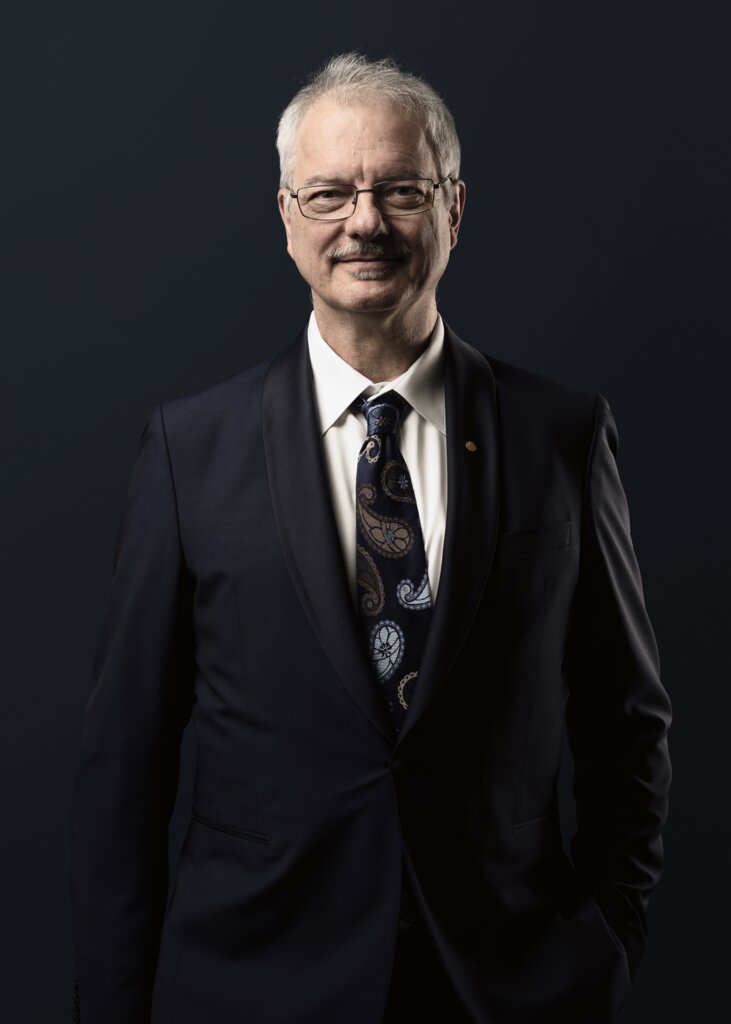
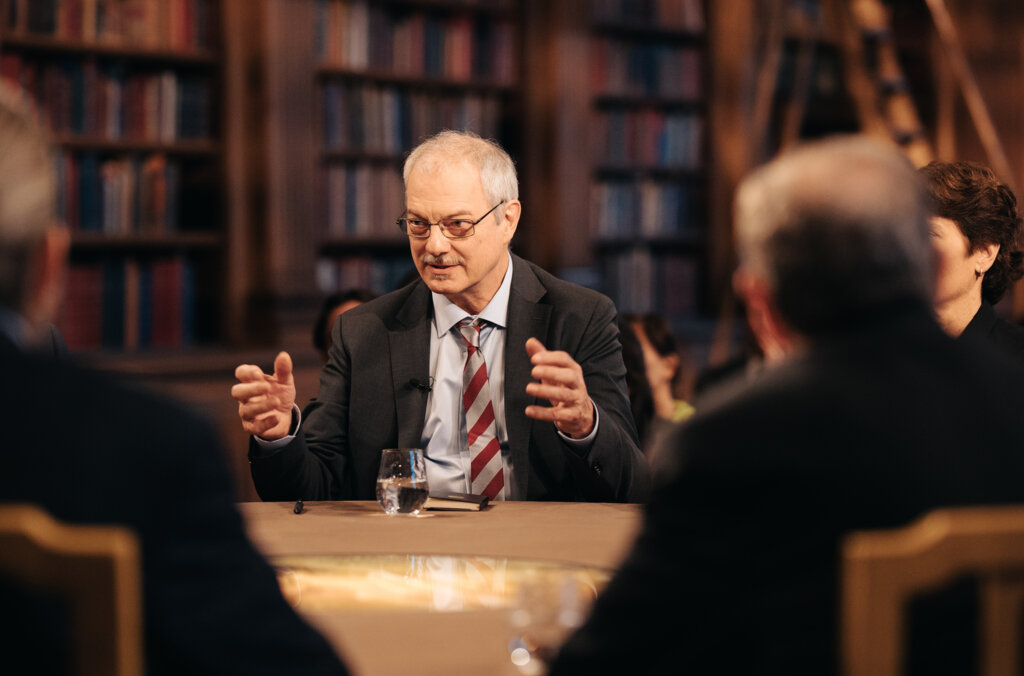
Morten Meldal received the Nobel Prize in Chemistry 2022 “for the development of click chemistry and bioorthogonal chemistry”.
Chemists strive to build increasingly complicated molecules. For a long time, this has been very time consuming and expensive. Click chemistry means that molecular building blocks snap together quickly and efficiently. In 2002, Morten Meldal and Barry Sharpless, independently of each other, developed an elegant and efficient chemical reaction: the copper catalysed azide-alkyne cycloaddition. This is now in widespread use and is utilised in the development of pharmaceuticals, for mapping DNA and creating new materials.
Emilie Agardh
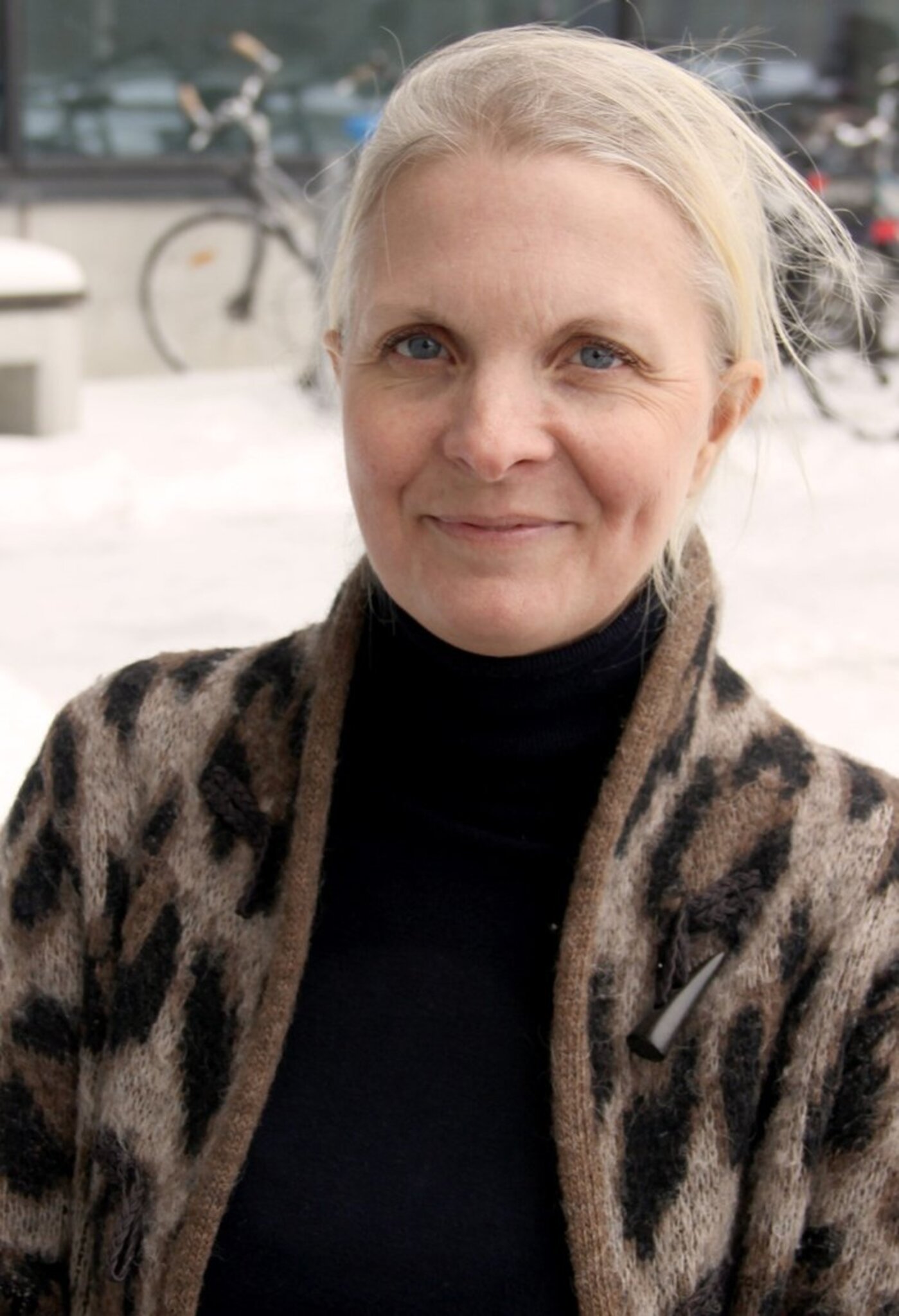
Emilie Agardh is an associate professor of epidemiology at Karolinska Institutet. She works closely within the Global Burden of Disease (GBD) collaboration, the world’s largest and most comprehensive effort to quantify health loss across populations and over time, with the aim of improving health systems and reducing disparities. The GBD project is led by the Institute for Health Metrics and Evaluation (IHME) at the University of Washington in the United States.
Using Sweden’s uniquely rich national registry data on health, healthcare, and welfare, Agardh and her team work to strengthen socioeconomic measures through the Global Burden of Disease (GBD) framework.
She has been a GBD collaborator since 2013 and has served on the GBD Scientific Council since 2020.

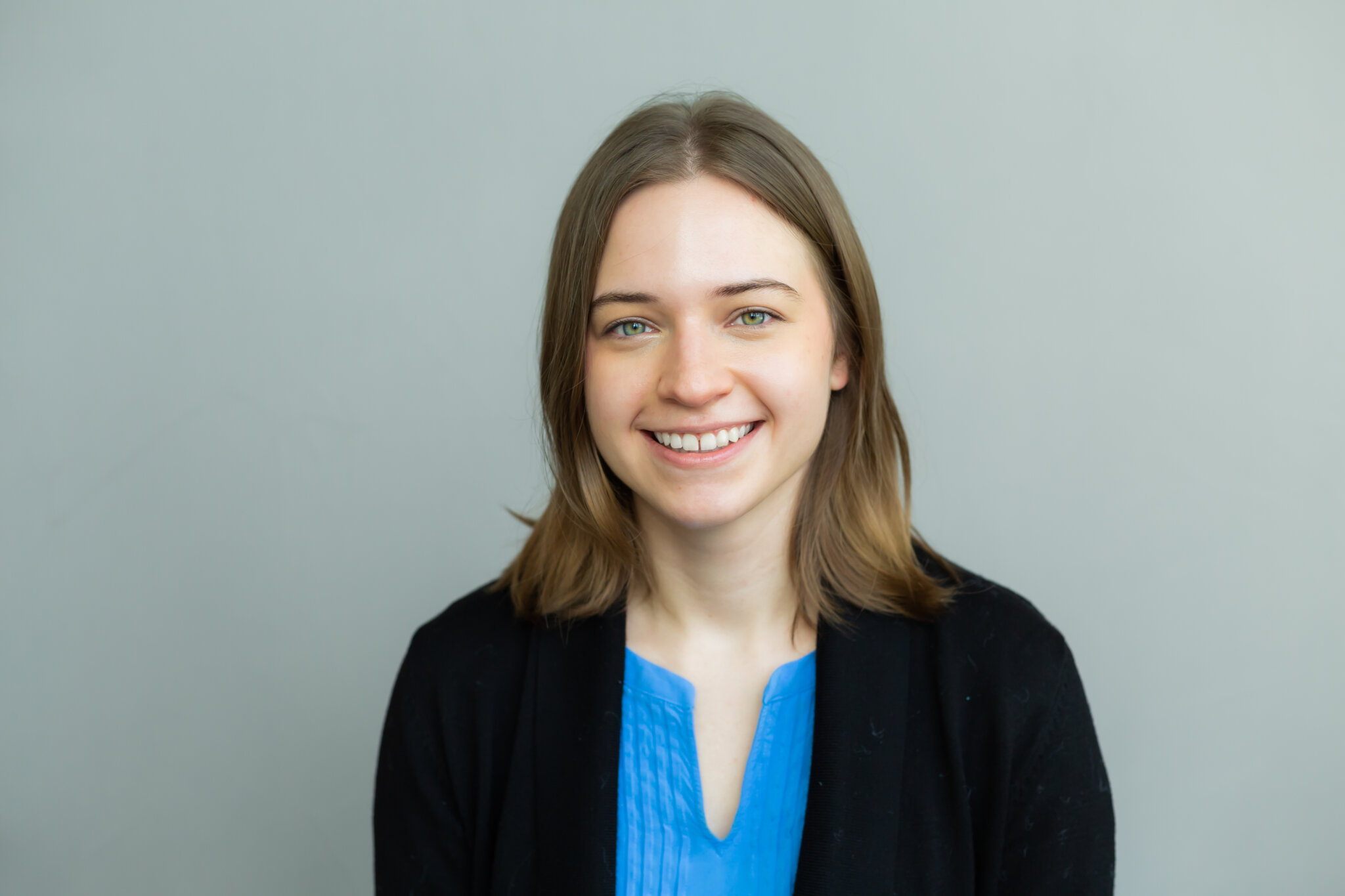
Key contributions to this work come from Vincent Mougin and Authia Gray. Both are research scientists at IHME working on the GBD study, while also pursuing their doctoral degrees at Karolinska Institutet.
Their PhD research focuses on socioeconomic inequalities in health, adding depth and new perspectives on how health inequities are measured and understood.
Otto Cars
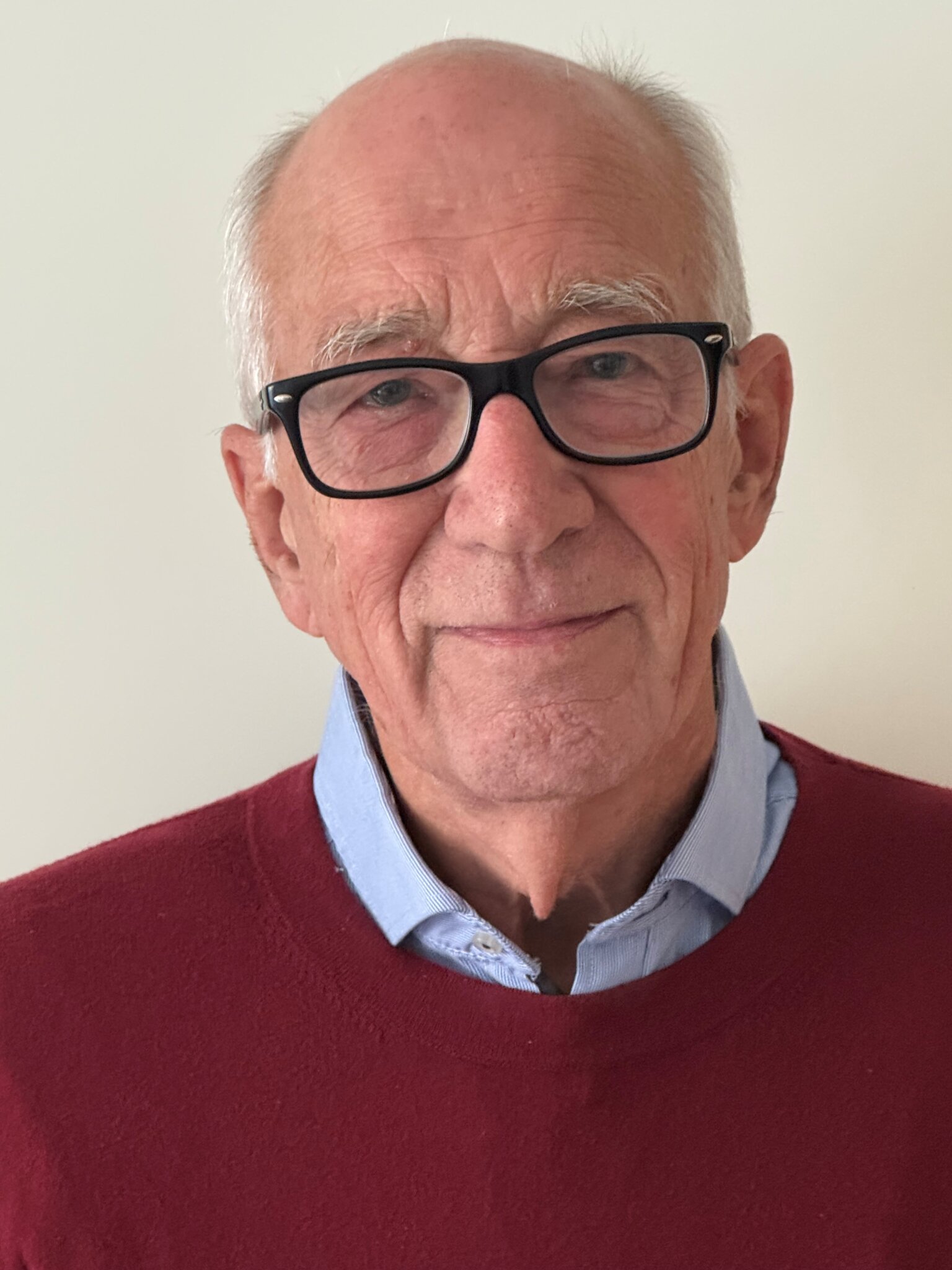
Otto Cars is Professor Emeritus of Infectious Diseases at Uppsala University and one of the world’s leading experts on antibiotic resistance. Trained as a physician and infectious disease specialist, he has combined clinical practice, research, and policy work throughout his career.
From 1995 to 2010, he led Sweden’s national strategic programme against antibiotic resistance (Strama), which became an early example for a successful antibiotic stewardship. In 2005, he founded ReAct–Action on Antibiotic Resistance, a global network dedicated to advancing awareness civil society mobilisation and policy action to address antibiotic resistance worldwide.
Otto Cars has served as an expert advisor to the World Health Organization, multipleInstitutions in the EU and the United Nations and was a member of the UN Interagency Coordination Group on Antimicrobial Resistance. His work emphasises the need for global cooperation to safeguard access to effective treatment of bacterial infection for future generations.
Anna Mia Ekström
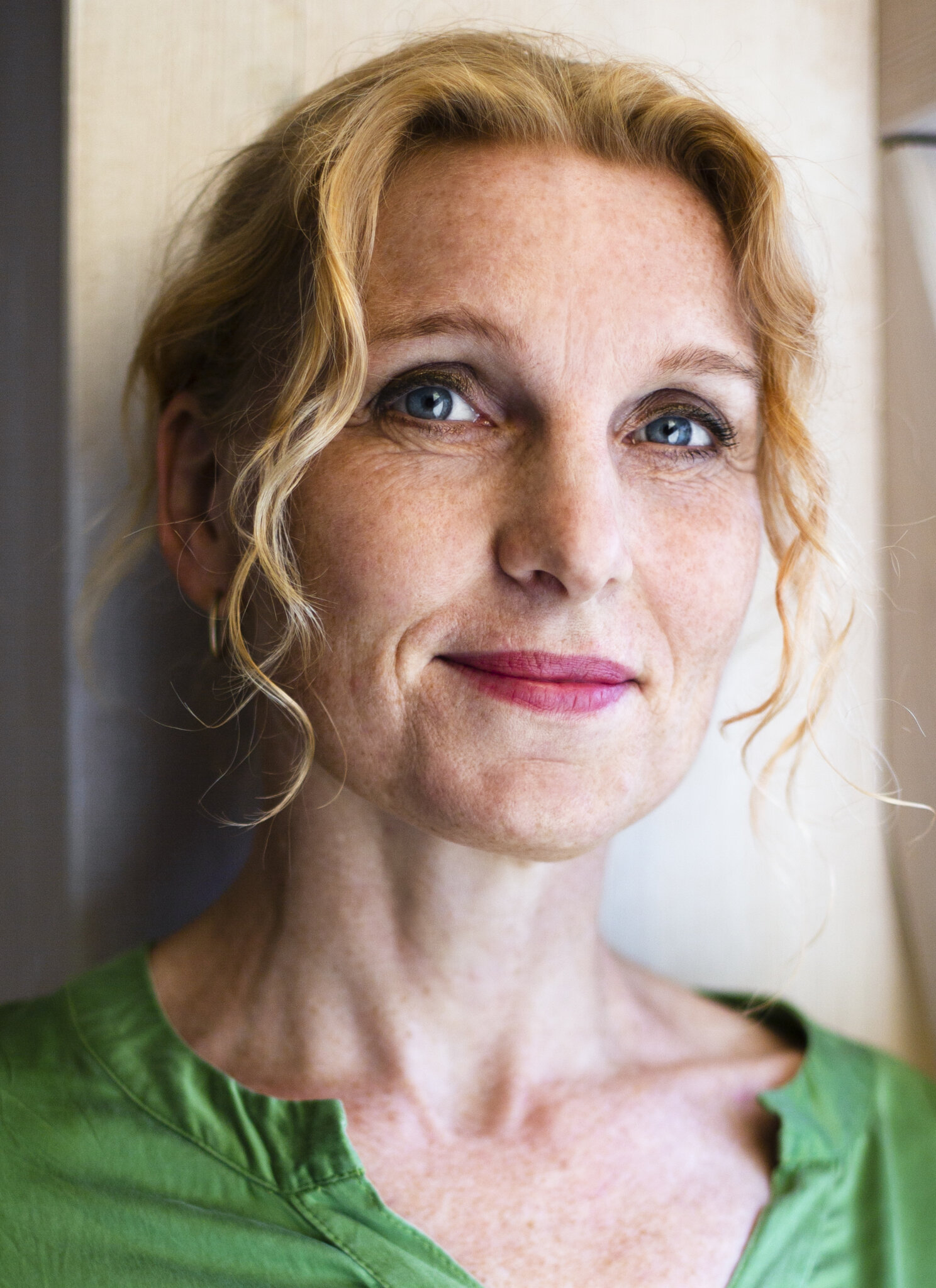
Anna Mia Ekström is a Swedish specialist physician in Infectious Diseases and a Clinical Professor in Global Infectious Disease Epidemiology at Karolinska Institutet and Södersjukhuset in Stockholm. She holds an MPH in quantitative methods from the Harvard T.H. Chan School of Public Health, an MD from Uppsala University, and a PhD in Medical Epidemiology from Karolinska Institutet.
For more than 25 years, Ekström has led international research initiatives across Europe, Africa, and Asia. Her work spans abroad set of global health challenges, including sexual and reproductive health and rights, HIV, and emerging infections such as Mpox, Ebola, Zika, and COVID-19.
She also works extensively on vaccine access, gender-based violence, sexual risk behaviour, key populations, maternal and child health, health systems, implementation science, policy evaluation, demographic surveillance, and global vaccine policy. Ekström leads the Global & Sexual Health (GloSH) research group at Karolinska Institutet, bringing together approximately 50 international and multidisciplinary researchers. She is also custodian of Professor Hans Rosling’s teaching legacy.
In addition to her academic research, Anna Mia Ekström has held a wide range of expert and advisory roles at the national and global levels, including for the WHO, EU-HERA, Sida, the Public Health Agency of Sweden and Karolinska Institutet.
Tobias Alfvén
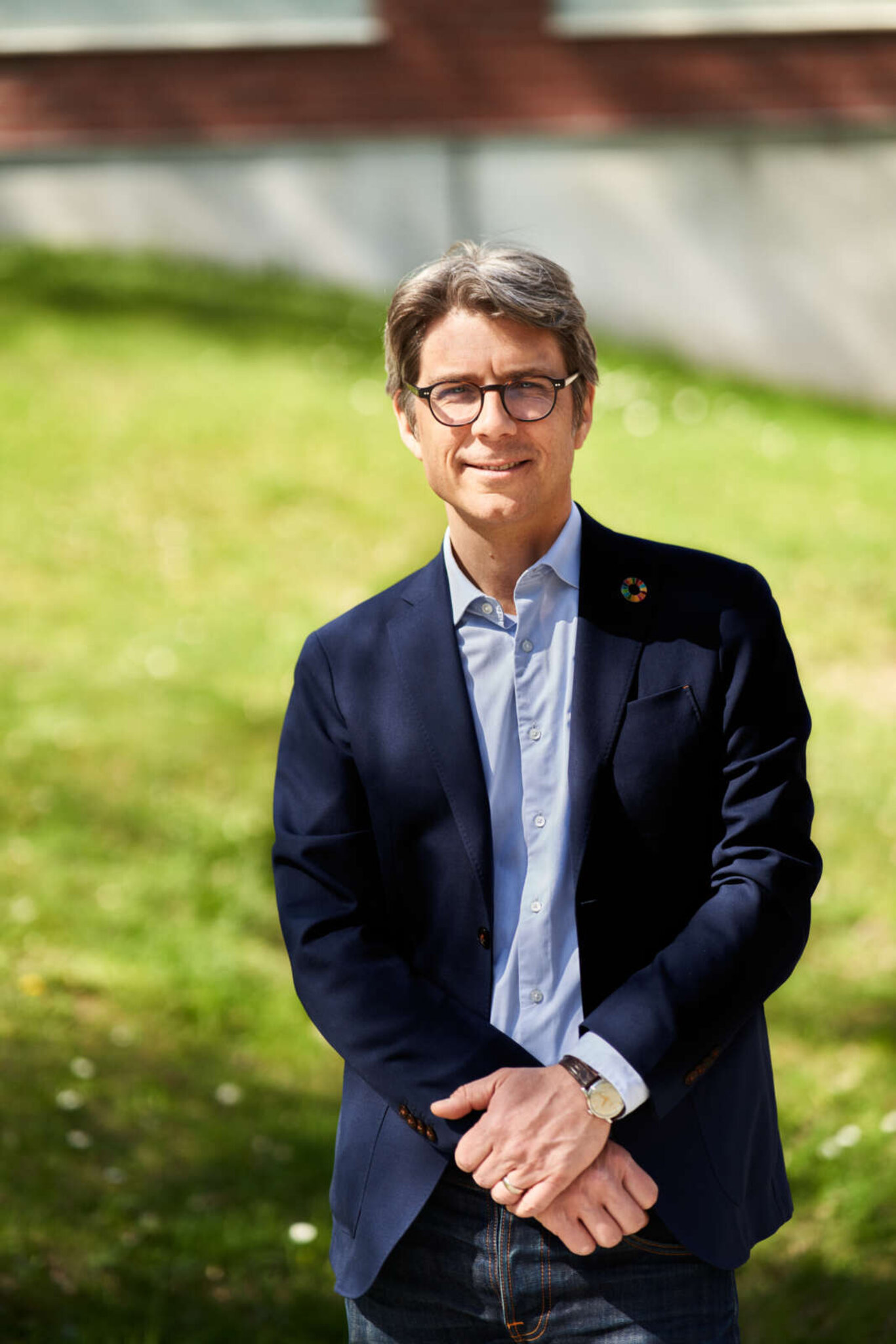
Tobias Alfvén is a Clinical Professor of Global Child Health at Karolinska Institutet and Senior Consultant in Paediatrics at Sachs’ Children and Youth Hospital in Stockholm.
Alfvén served as President of the Swedish Society of Medicine from 2020 to 2024. Over the past 25 years, he has combined clinical paediatrics, global health research, and work with the United Nations.
He co-leads the Centre of Excellence for Sustainable Health with colleagues in Uganda, and his research spans neonatal care in low-resource settings, diagnostics for paediatric infectious diseases, and the links between child health, the Sustainable Development Goals, and climate change.
Sara Fritzell
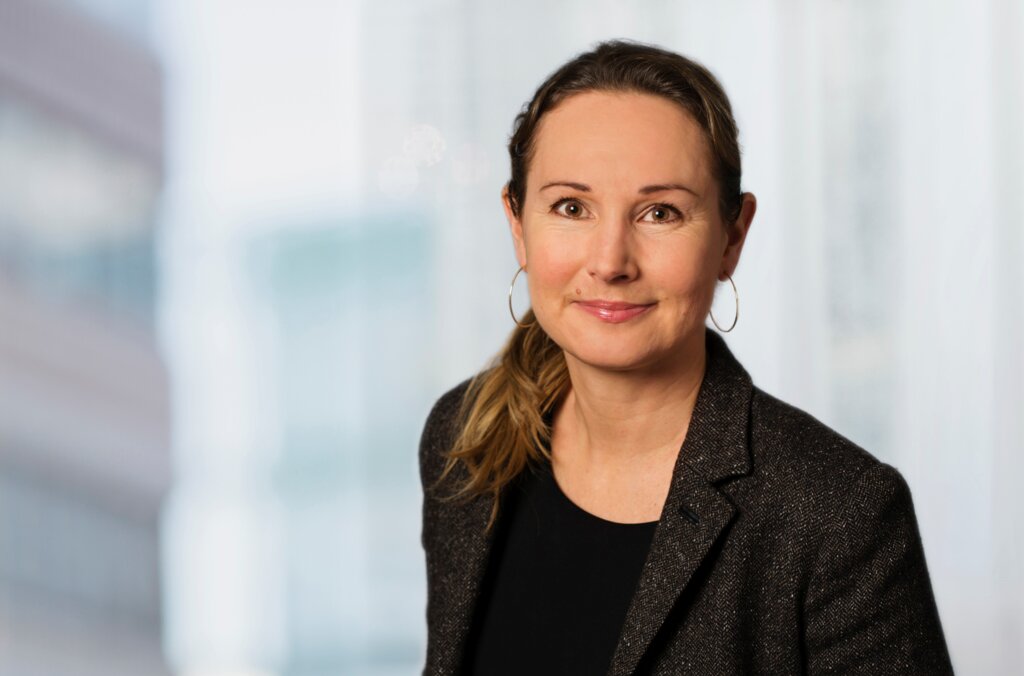
Sara Fritzell is a senior Analyst and researcher, at the unit for Mental health and suicide prevention, Public Health Agency of Sweden.
Fritzell has a PhD in Epidemiology and public health. Her interests include equity in health and making science and knowledge useful in practice for different stakeholders.
Natalie Groom
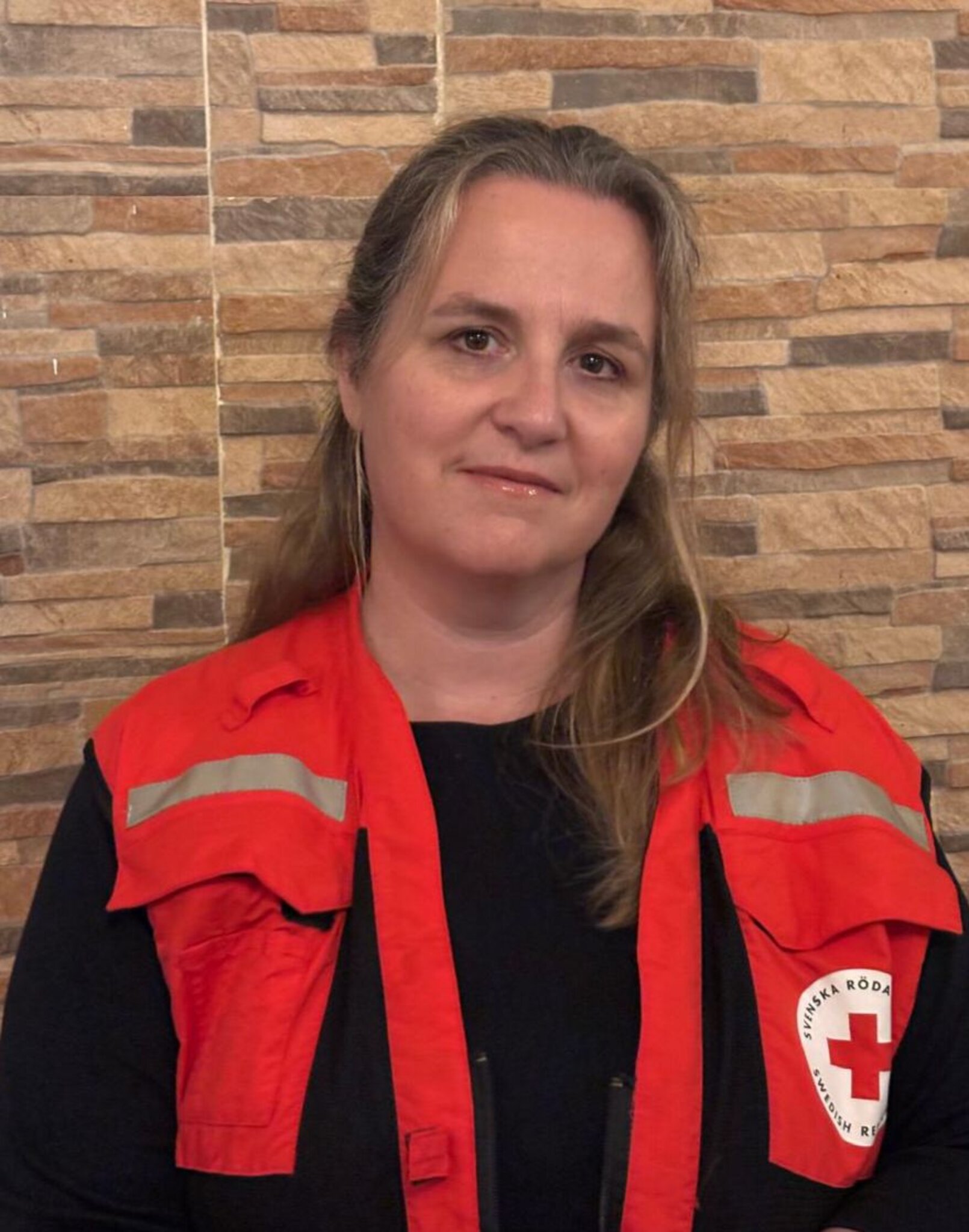
Natalie Groom is an experienced international professional with more than 28 years of work across Africa. She has held roles with the Swedish Red Cross, Danish Red Cross, the United Nations Development Programme, and the Danish Refugee Council. Her work has taken her to countries including Malawi, Botswana, and Sudan, where she has managed multi country programmes and supported communities facing both long term challenges and sudden crises.
Having worked in Sudan continuously since 2002 with several humanitarian and development organisations, she brings more than two decades of contextual knowledge and hands on experience in the country’s complex operating environment. Since 2020, Groom has served as the Country Representative for the Swedish Red Cross in Sudan, supporting both humanitarian response efforts and longer term resilience programmes in communities.
Throughout her career, Groom has focused on working with communities to adapt to climate change, strengthen their livelihoods, and participate more actively in local decision making. Her experience spans a wide range of areas, including sustainable agriculture, safe water access, gender equality, community based disaster risk reduction, and peacebuilding.
Natalie Groom holds a Master’s degree in Peace and Reconciliation Studies from Coventry University, a Postgraduate Diploma in International Development from the University of Birmingham, and a Bachelor of Science in Agroforestry from the University of Wales, Bangor.
Nour Hammad
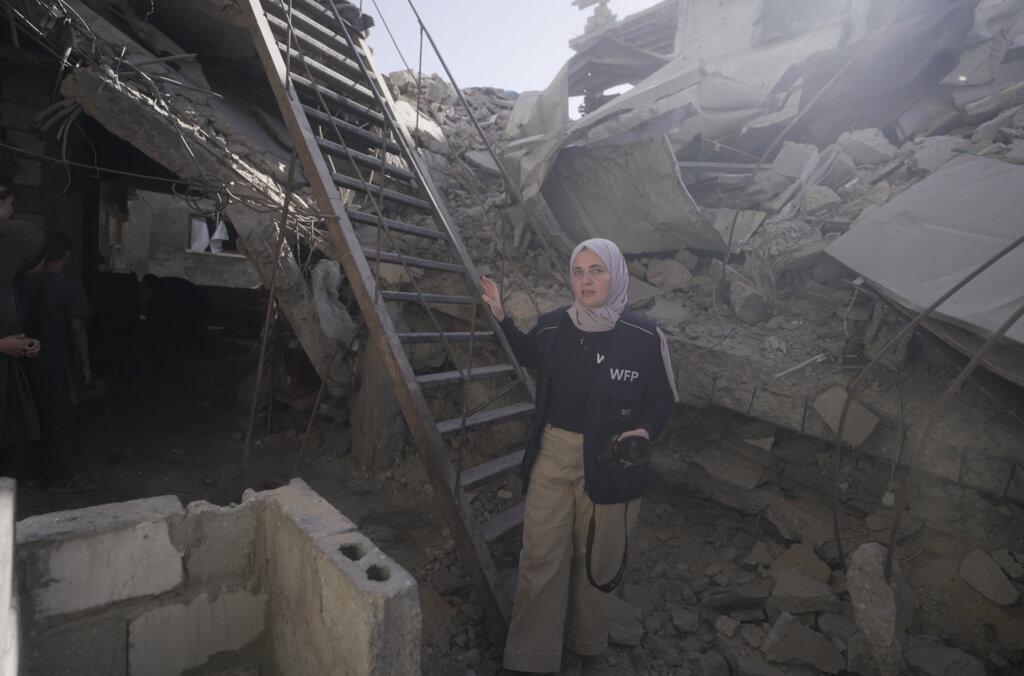
Nour Hammad is a Palestinian communications officer and storyteller based in Gaza, working with the World Food Programme. Her work is shaped by both professional expertise and lived experience.
Operating at the intersection of humanitarian response and strategic advocacy, she navigates emergency communications and tells stories from within crises. Hammad is driven by a deep belief that, in moments of upheaval, preserving people’s humanity and dignity is both a moral responsibility and a way of empowering communities. She translates complex, fast-evolving emergencies into narratives that protect the dignity of affected people, inform global audiences, and inspire action.
For Nour Hammad, communication is an act of shaping discourse, challenging indifference, and ensuring that the voices of those most impacted are heard with clarity, integrity, and respect.
Anders Hansen
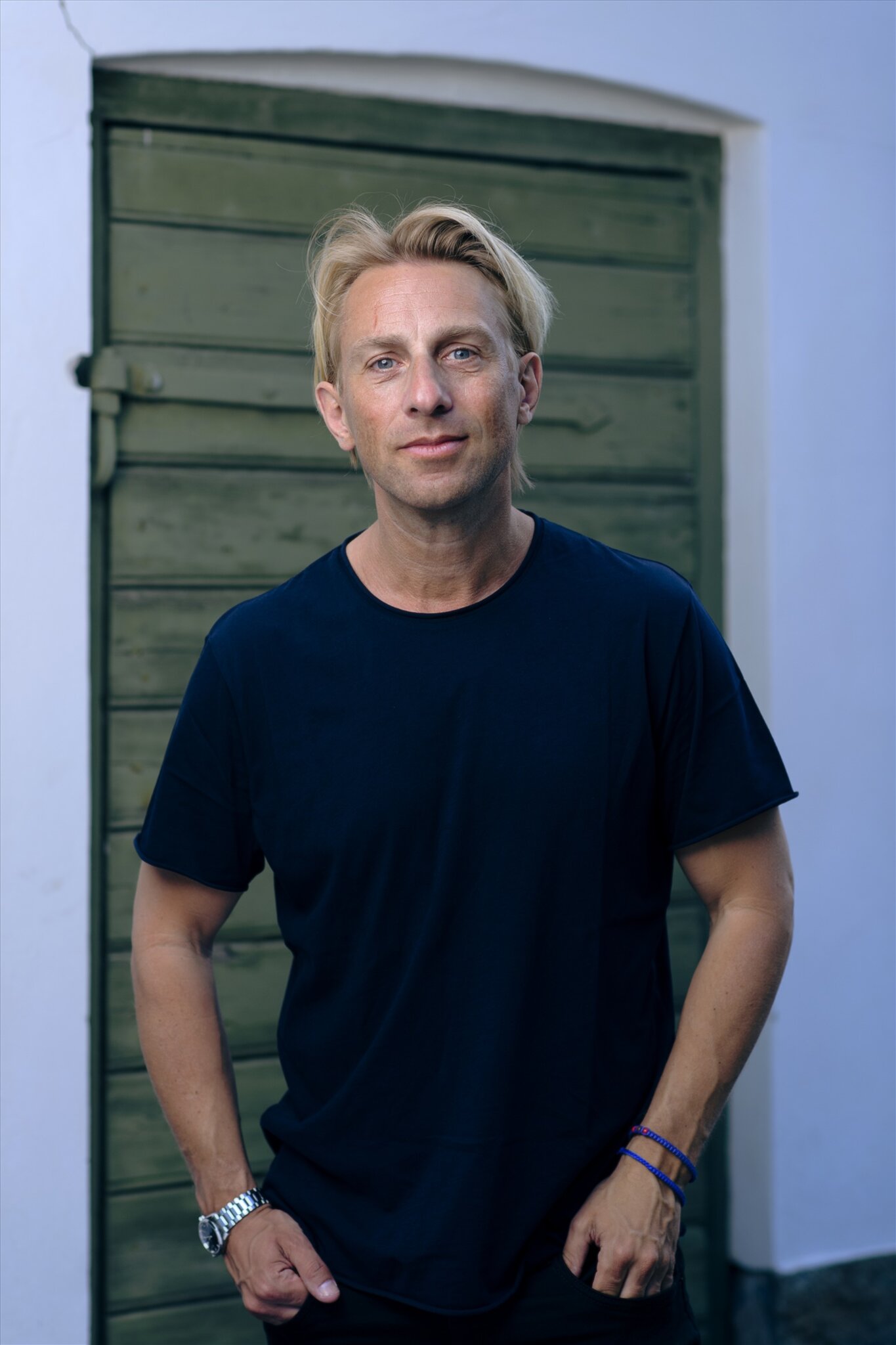
Anders Hansen is a psychiatrist, speaker, and popular TV show host with his own docuseries about the mysteries of the human brain.
Hansen has published several bestselling books and is arguably Sweden’s favorite expert on the topic of the brain and health matters.
To date, his books have sold more than 3 million copies, and have been on the bestseller lists in Sweden, Japan, and numerous other countries around the world.
Mia Hejdenberg
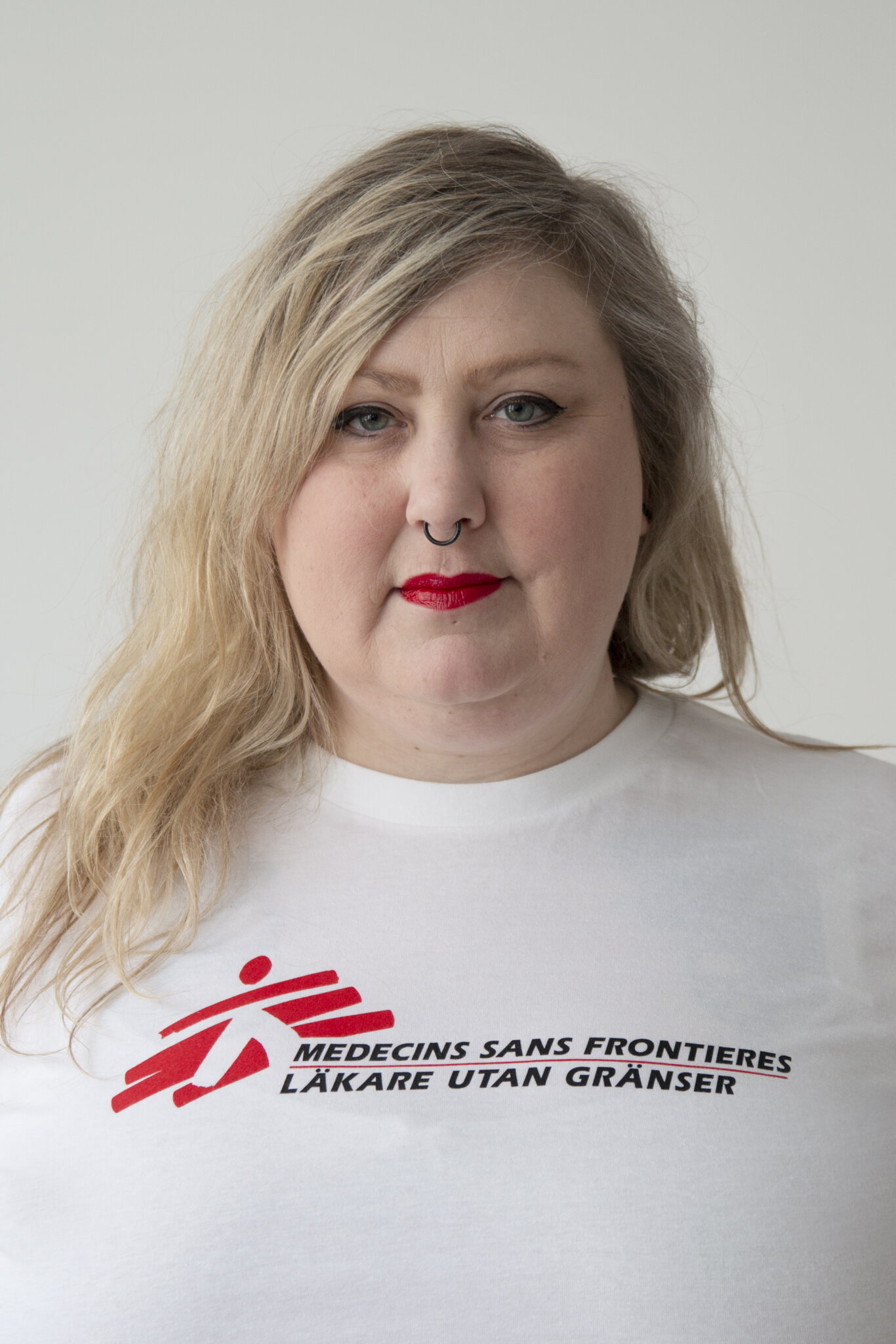
Mia Hejdenberg is a values-driven humanitarian leader and registered nurse with extensive experience from international medical and humanitarian operations.
Hejdenberg currently serves as Medical Humanitarian Advisor at Médecins Sans Frontières (MSF) Sweden, where she acts as medical expert, spokesperson, and strategic advisor, engaging with policymakers, civil society, and the public on global health and humanitarian issues. She has previously held senior leadership roles within MSF, including Head of Mission in complex contexts such as the Central African Republic and Afghanistan.
With a background in clinical nursing in Sweden and advanced training in humanitarian affairs and leadership, Hejdenberg brings both frontline insight and strategic perspective, and a strong commitment to humanitarian principles and global health equity.
Nancy Lavalie
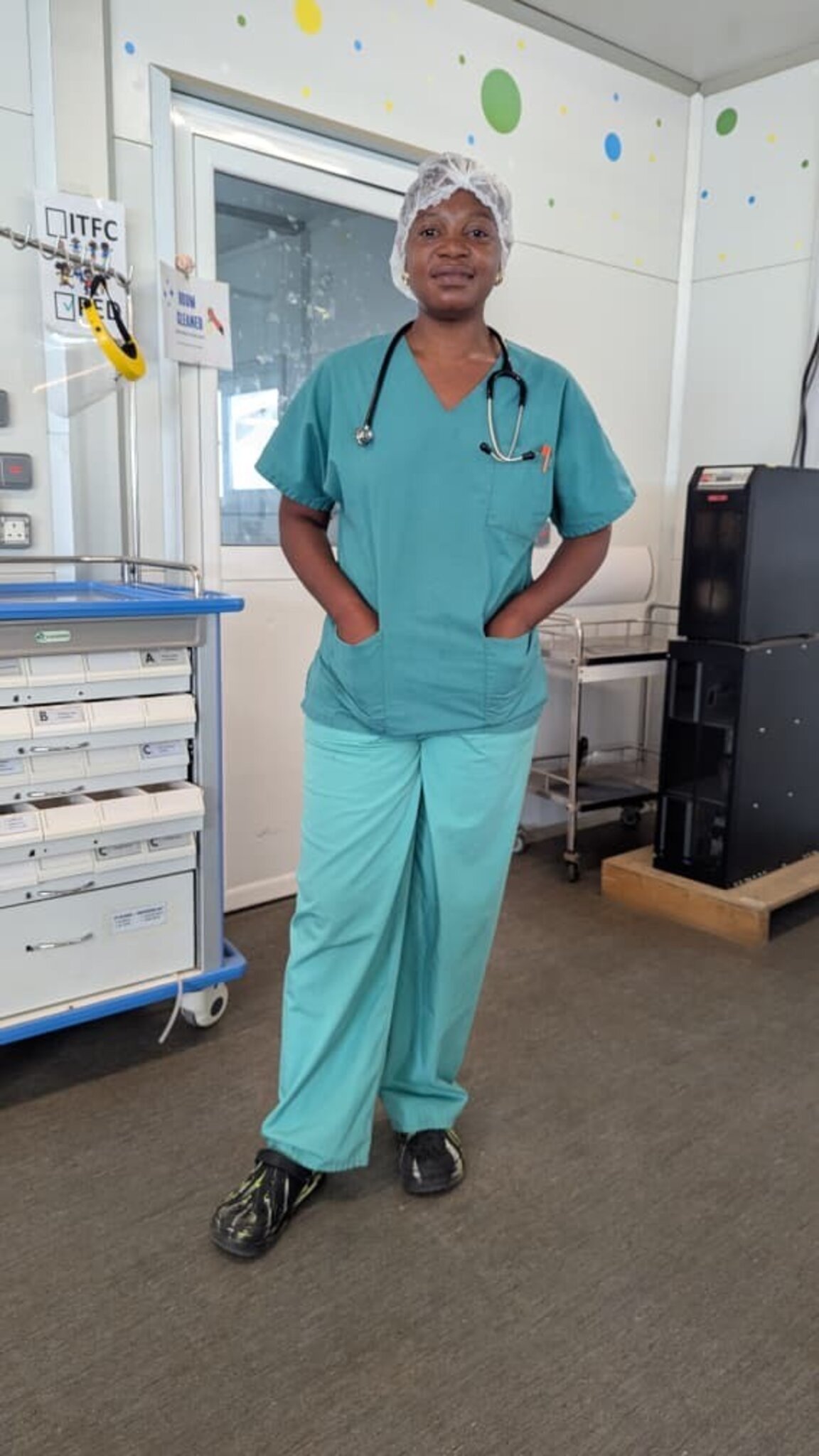
Nancy Lavalie is a clinical officer with Médecins Sans Frontières (MSF) working at the Government Maternity and Children’s Hospital in Hangha, Sierra Leone. She holds a Bachelor of Science in Nutrition and Dietetics and a Higher National Diploma in Community Health and Clinical Studies.
Before joining MSF in 2019, Lavalie worked with the Ministry of Health at Panguma Hospital and Sahn Malen Community Health Centre. In these roles, she gained experience in clinical care and community health services.
In her current role with MSF, she is responsible for diagnosing and treating patients, prescribing medications, and implementing prevention procedures within the scope of her clinical competencies.
Her work also includes supporting the implementation of MSF clinical policies and hygiene protocols, responding to medical emergencies, recording medical activities in patient records, providing patient therapeutic education, and participating in mortality and morbidity reviews.
Alexander Norén

Alexander Norén, senior business and tech correspondentat Swedish Television (SVT), reports on the forces shaping the future of work, industry, and society.
He is also the producer of the AI-documentaries: Generation AI, Fake Factory, AI War, and Homo Roboticus at SVT Play, projects through which he explores the impact, promise, and tension surrounding advanced AI technologies.
Oskar Nyberg

Oskar Nyberg is an antibiotic resistance expert that shares his time between ReAct and the Royal Swedish Academy of Sciences. He has a PhD in Ecotoxicology and has for the past 10 years researched antibiotic resistance in the seafood sector.
Nyberg has worked together with global stakeholders to improve production practices, taking an interdisciplinary approach that integrates food production, environmental sustainability, genetics and microbial ecology.
He has a supervised master students and lectured at university courses on topics such as antibiotics in food production, ecotoxicology, and global health. Nyberg is currently developing a monitoring program for measuring risks of antibiotic resistance in aquatic food systems.
Thomas Perlmann
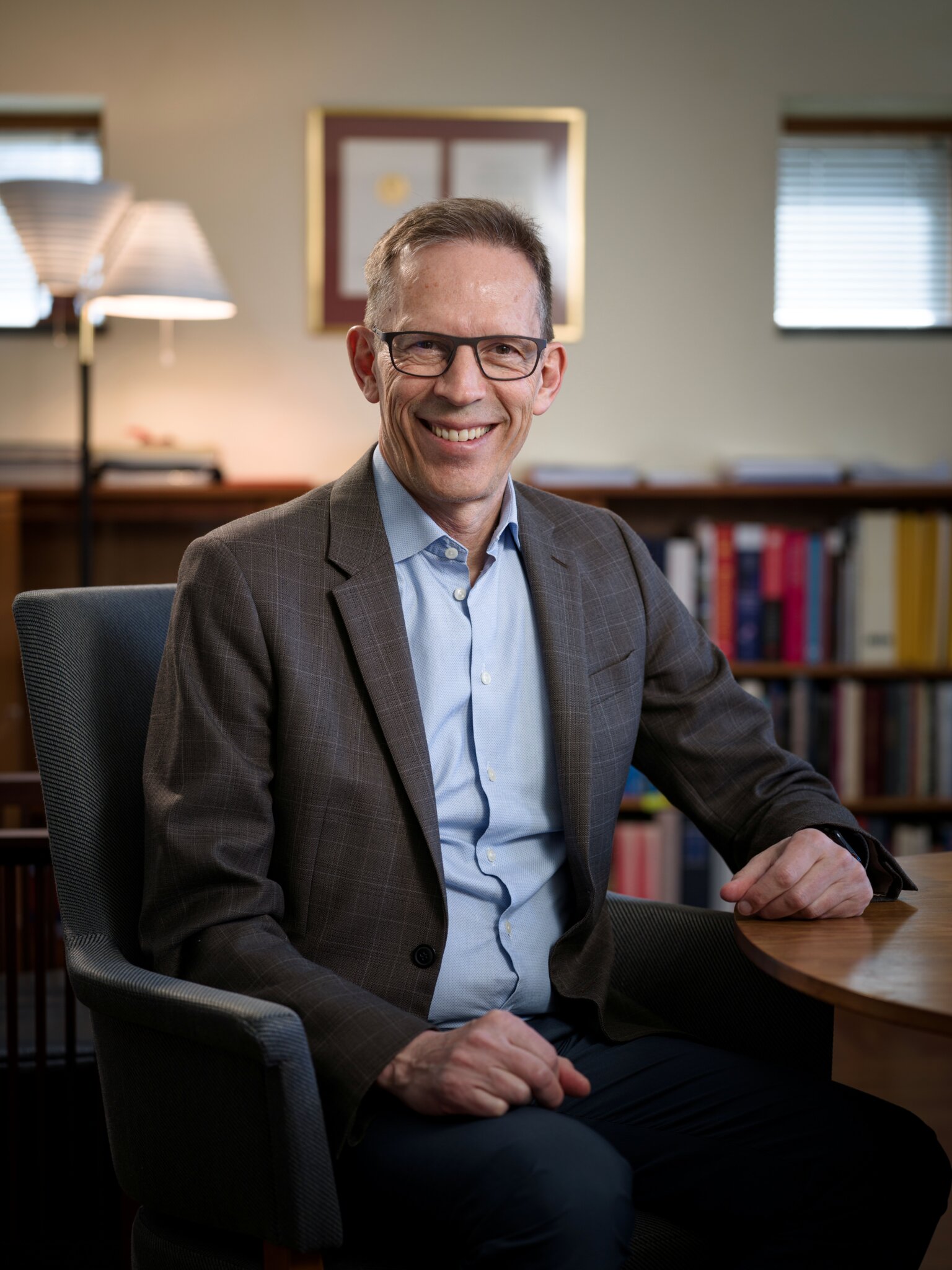
Thomas Perlmann is a leading neuroscientist whose research has significantly advanced our understanding of the brain’s dopaminergic system. His research focuses on developmental neuroscience, particularly the mechanisms governing the development and function of dopamine-producing neurons. His work has provided critical insights that have advanced the fields of regenerative medicine and the pathophysiology of Parkinson’s disease.
In addition to his research, Dr. Perlmann has held several prominent leadership roles. He served as Chair of the Department of Cell and Molecular Biology at Karolinska Institutet from 2003 to 2006. He has been a member of the Nobel Assembly since 2006 and of the Nobel Committee since 2008. In 2016, he was appointed Secretary-General of the Nobel Assembly and joined the board of the Nobel Foundation, where he now serves as Vice Chair. Since 2022, he has also served on the board of the Nobel Center Foundation.
His contributions to science have been recognized through his election to the Swedish Royal Academy of Sciences in 2008 and with numerous honors, including the Göran Gustafsson Prize, the Erik K. Fernström Prize, and the Torsten Söderberg Academy Professorship in Medicine in 2017.
Maria Pränting
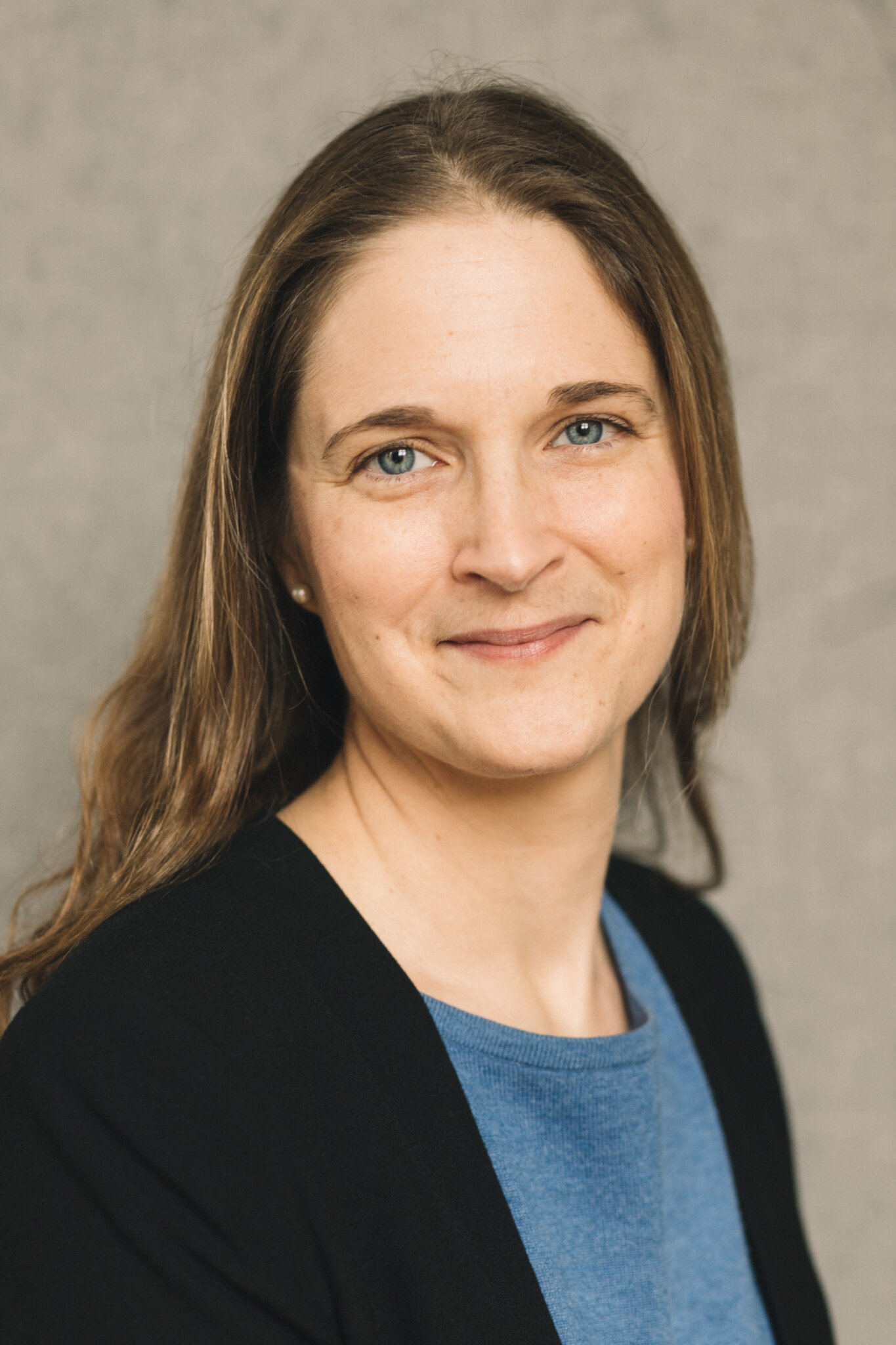
Maria Pränting is Scientific coordinator at ReActEurope. She holds a PhD in Medical Microbiology from Uppsala University and has 20 years’ experience in antibiotic resistance related research, education, and science to policy and practice communication.
She leads the work on ReAct’s web based Tool box for action on antibiotic resistance and is part of the core leadership team of Antibiotic Smart Sweden, an initiative for whole-of-society engagement on antibiotic resistance.
Pränting is engaged in numerous innovative educational initiatives, including “AntibioticSmart Schools” and “Alforja Educativa–student health and the microbial world”, and teaches at several university level courses about antibiotic resistance from a global health and sustainable development perspective.
Stefan Swartling Peterson
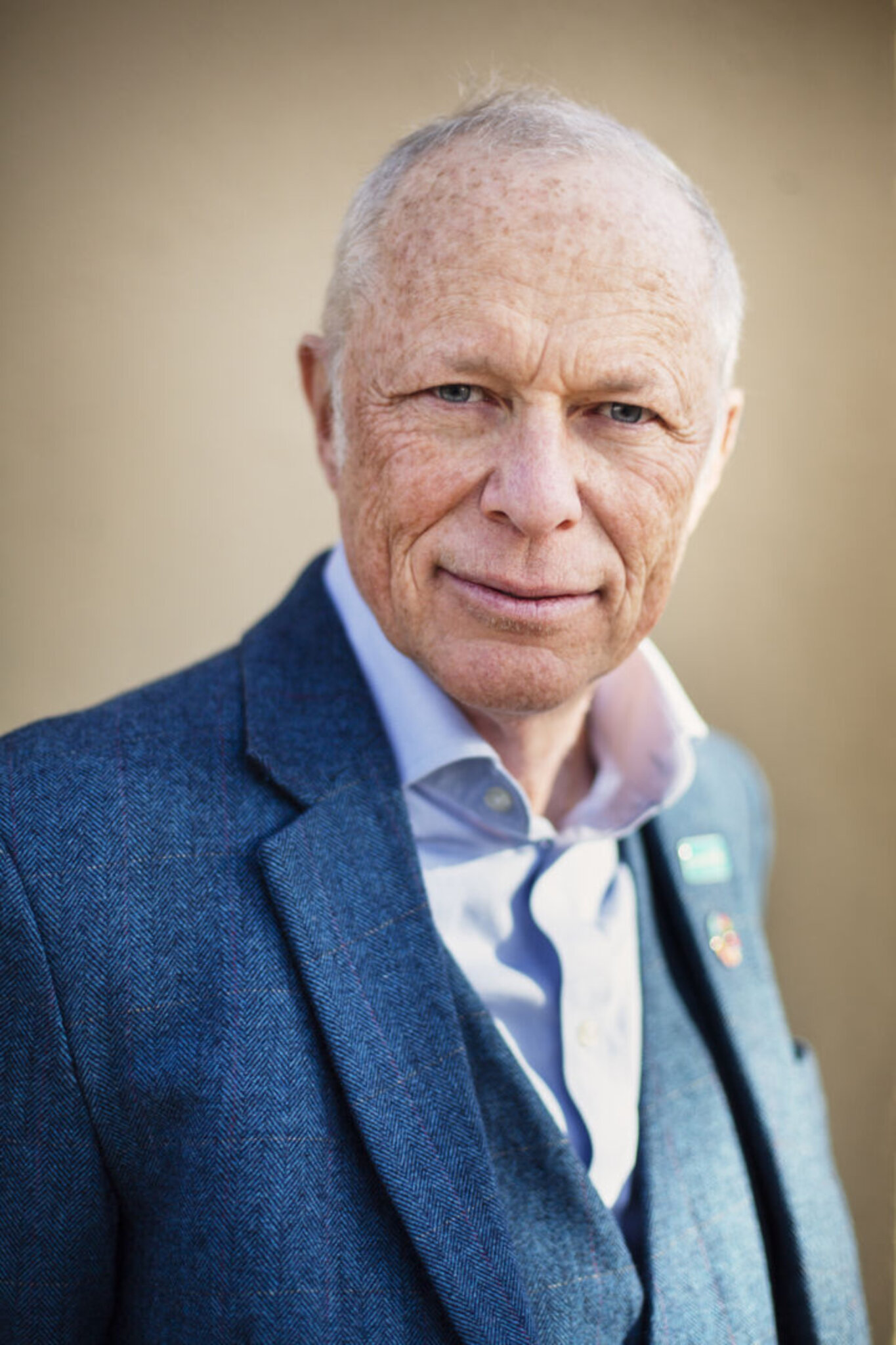
Stefan Swartling Peterson is a public health physician and Professor of Global Transformation for Health at Karolinska Institutet in Sweden and Makerere University in Uganda, as well as a part-time health advisor to UNICEF Sweden.
A former Chief of Health for UNICEF, Swartling Peterson focuses on how systems such as food systems, urban planning, education, and health services can be transformed to support healthy individuals and resilient societies. Furthermore, how can children’s rights be translated to concrete services, that let children grow to their full potential?
His work explores global challenges: in Africa, how the current “youthquake” can become a demographic dividend for the continent and the aging world; and in Sweden and Europe, how aging populations can extend their health span rather than merely their life span—not only to improve quality of life, but also to prevent health and social support systems from collapsing.
Karin Tegmark Wisell
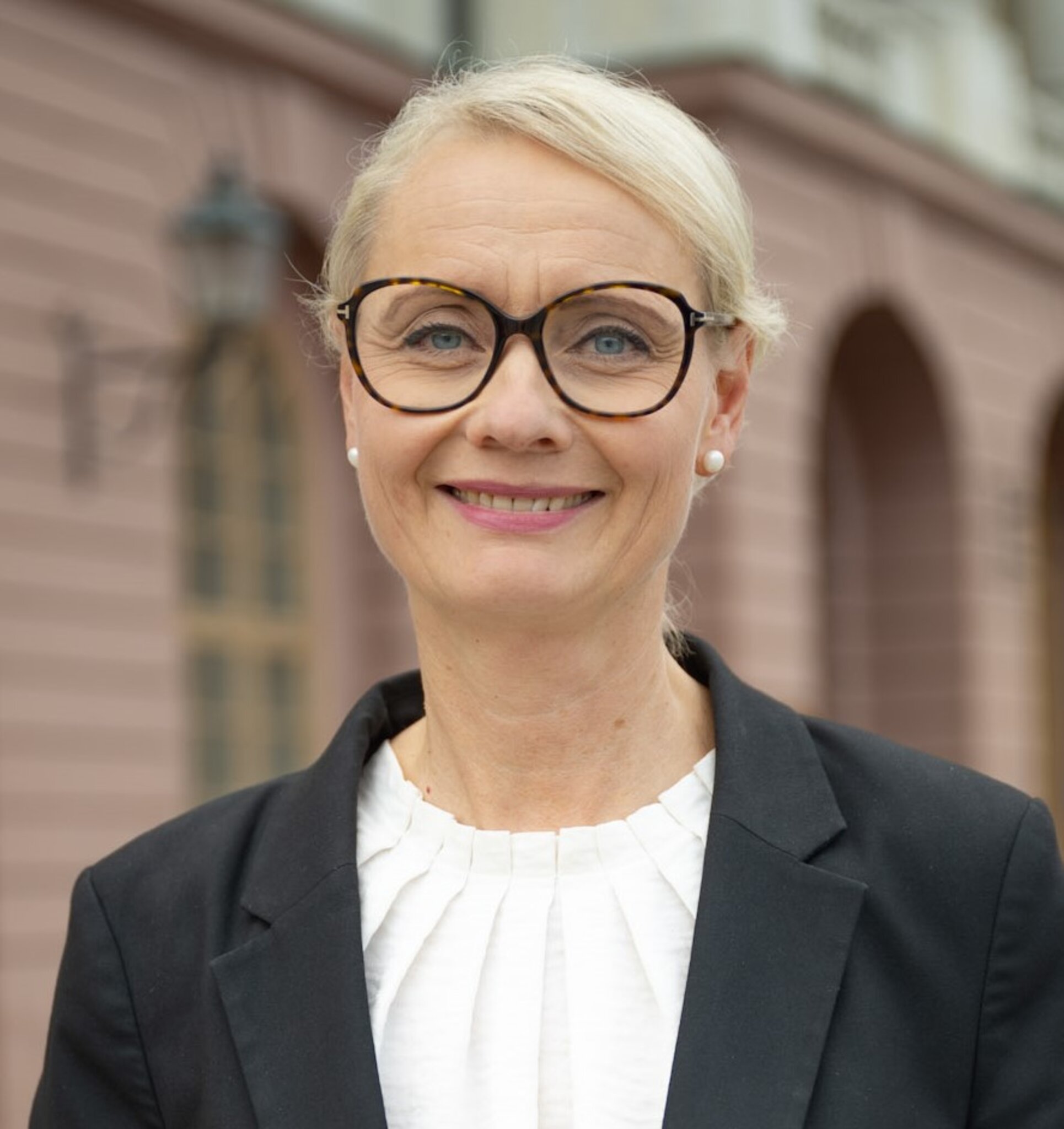
Karin Tegmark Wisell serves as the Swedish Ambassador for Global Health, bringing extensive expertise in public health. She has held several senior positions at the Swedish Public Health Agency and the former Swedish Institute for Communicable Disease Control.
As Director General from 2021 to 2024, she led significant advancements in public health strategies, enhancing both policy effectiveness and public trust. As a trained physician with a PhD from the Karolinska Institutet, she has substantial research and clinical experience and has been actively involved in numerous capacity-building programs.
She is also a valued member of various national and international boards and expert groups related to public and global health.
Shepherd Urenje
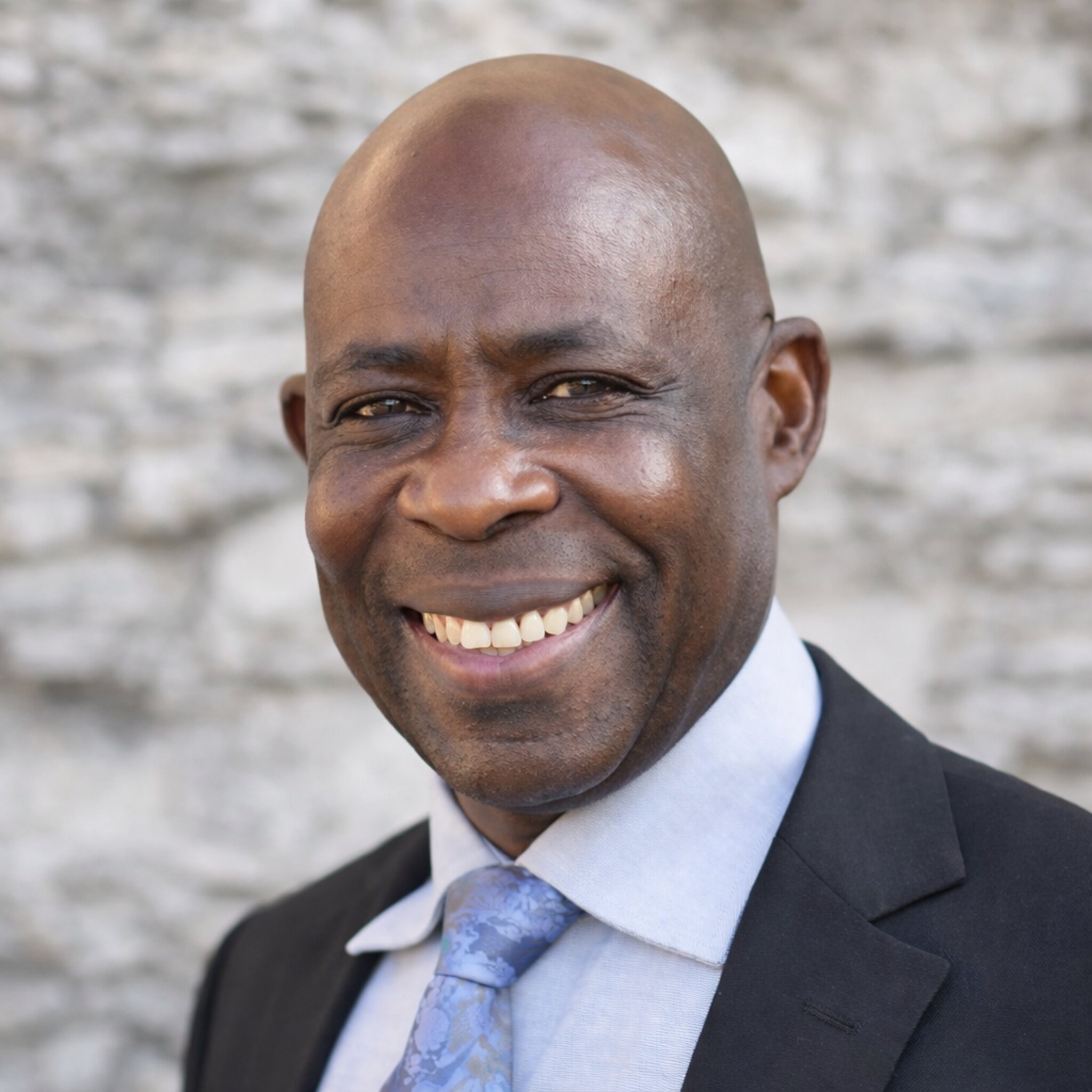
Dr Shepherd Urenje is an international sustainability education specialist, transformative learning scholar, and strategic capacity-development consultant. With over two decades of experience across Africa, Europe, the Gulf region, and Asia-Pacific, he works at the intersection of education, systems transformation, and regenerative leadership.
He has collaborated with schools, universities, governments, and multilateral organisations to strengthen institutional capacity for Education for Sustainable Development (ESD), particularly in alignment with SDG 4.7 and whole-institution transformation. His work is driven by a simple conviction: learning must not only inform—it must transform futures.
Johan von Schreeb
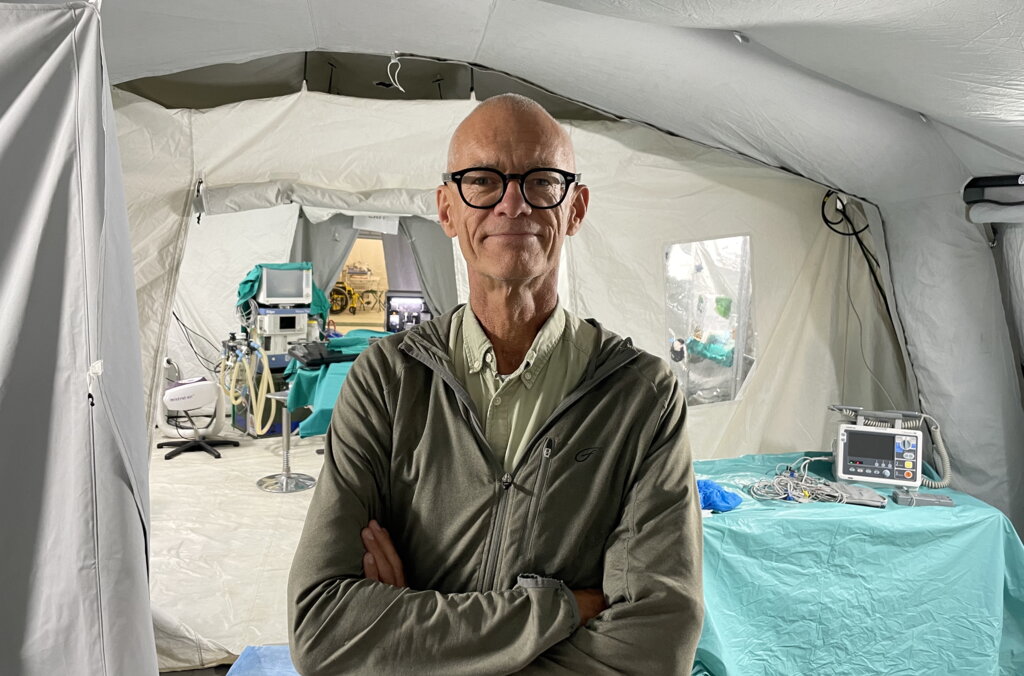
Johan von Schreeb is a surgeon and Professor of Global Disaster Medicine at Karolinska Institutet in Stockholm, where he leads the Center for Health Crises.
He has extensive experience working in war zones and disaster-affected settings, including Ukraine, Lebanon, Afghanistan, Sierra Leone, and Haiti, collaborating with the World Health Organization, Médecins Sans Frontières (Doctors Without Borders), and other international actors. His frontline experience has become increasingly important for strengthening Sweden’s preparedness and resilience to health crises.
Through research, education, and large-scale training exercises, Johan von Schreeb works to translate lessons from humanitarian emergencies into evidence-based strategies that support effective health system responses in times of crisis.
Benitha Kjellbom and Alvin Eklund


Benitha Kjellbom and Alvin Eklund are dancers with TOLEDO COMPANY, a dance company based in Stockholm. The company works with innovative choreography and stage productions where different dance styles meet.
Together, they are part of the ensemble representing TOLEDO COMPANY on stage.
-
Nobel Prize Teacher Summit
The Nobel Prize Teacher Summit is an international event for teachers held by Nobel Prize Museum.

Kailash Satyarthi at Nobel Prize Teacher Summit 2022.
© Nobel Prize Outreach Photo: Clément Morin
-
The theme
Global health is everyone’s business. The choices we make in education and policy today will determine the wellbeing of generations tomorrow.

-
Registration
Registration is closed.
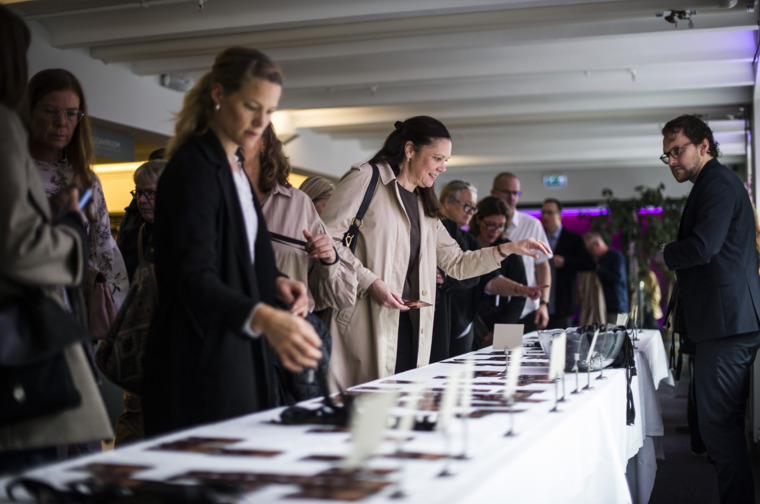
© Nobel Prize Outreach. Photo: Anna Svanberg
-
Extended programme
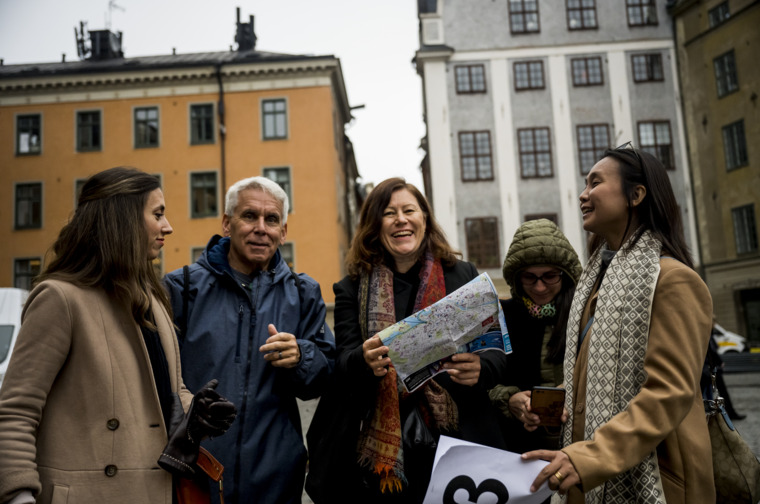
International teachers who attend the Nobel Prize Teacher Summit 2026 have the possibility to add the extended programme, 18–21 March.
© Nobel Prize Outreach. Photo: Alexander Mahmoud


