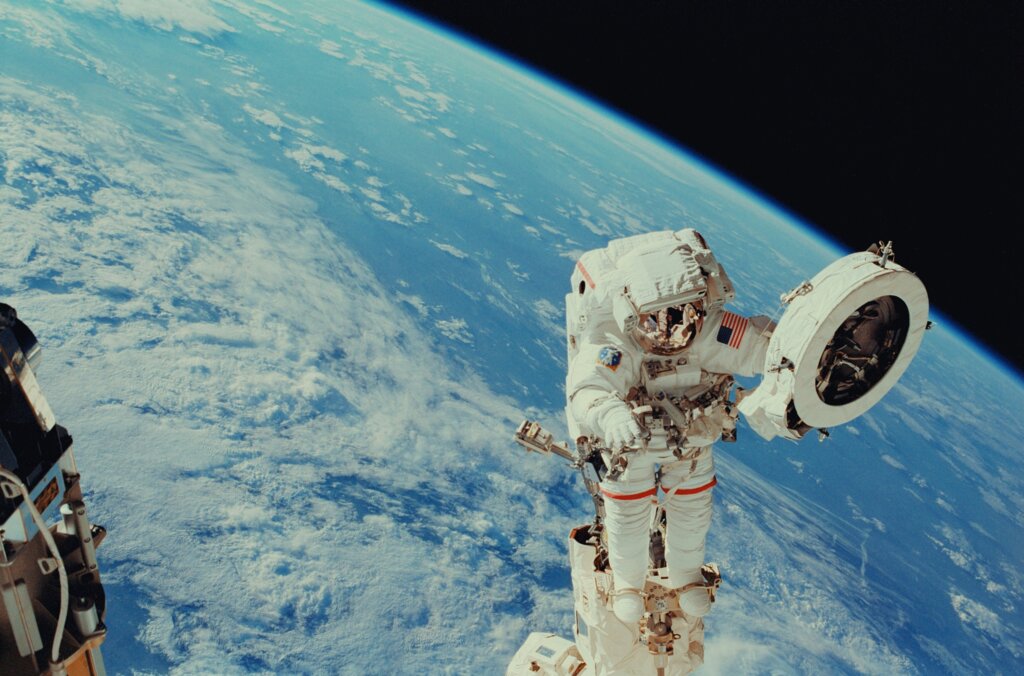
On the 18th of September we invite you to the 16th edition of Science Today, this time themed Humanity in Space. During the evening, three speakers from Karolinska Institutet, Stockholm University, and KTH Royal Institute of Technology—will present their research.
Tonight’s programme explores human activity in space and how our bodies are affected by space travel. Our speakers will cover everything from launches and satellites to crewed missions and life on space stations.
Science Today is a recurring after-work that kicks off the weekend with a mix of cutting-edge research and music from some of Stockholm’s best DJs.
This evening´s programme
17.00–18.00 Mingel and music by DJ Anna Korsgren
18.00–19.00 Conversations and presentations on stage
19.00–20.30 Mingel and music by DJ Anna Korsgren
About the programme
Date
18 September 2026
Time
17:00–20:30
Location
Nobel Prize Museum
Language
English
Admission
160 SEK adults
120 SEK students/seniors
Free admission for members
Tickets
Food and beverage
Lighter meals are available at Bistro Nobel for programme participants
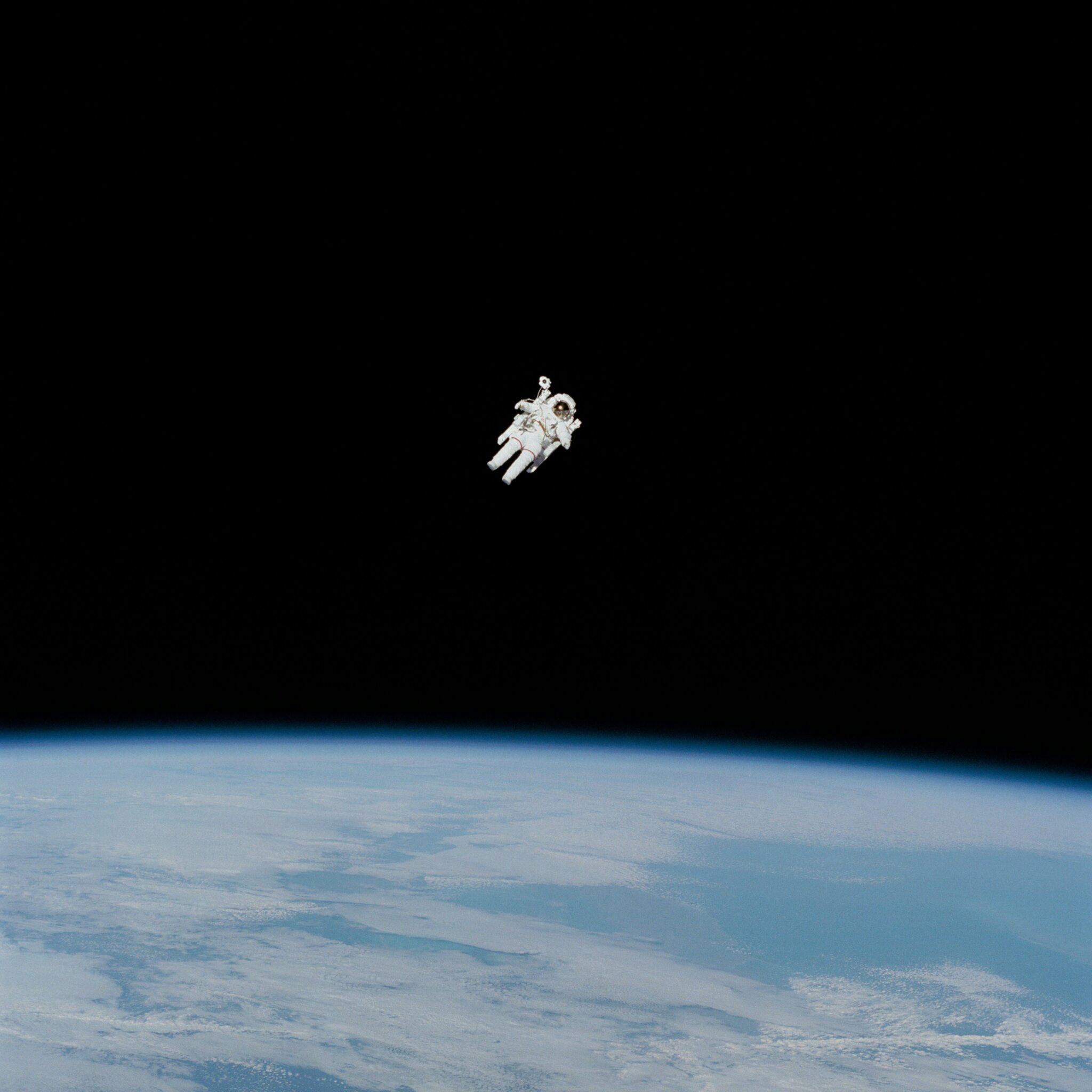
Speakers
Alice Young
From launch to orbit: a space telescope’s journey to discovery
Alice Young is a PhD Student within the Galaxy Group at the Department of Astronomy at Stockholm University.
Astronomers cannot make the commute to space that would be necessary to capture the images of galaxies, stars and planets that we study every day. Instead, we launch telescopes into orbit that act as our eyes in space.
In this talk, Young will present the journeys of the Hubble and James Webb Space Telescopes from lift-off to their respective orbits and discuss how the staggering images that captivate the curiosity of people all over the world have revealed both answers and more mysteries in our pursuit to understand the cosmos.
Carlos Gallardo-Dodd
Weightless Immunity: How Space Rewires Our Defences
Carlos Gallardo-Dodd is a PhD Student at the Department of Microbiology, Tumor and Cell Biology at Karolinska Institutet.
This talk will navigate the vulnerabilities of our immune system during spaceflight. We will explore how simulated microgravity changes the activity of human T cells, the immune cells that help protect us from infections, by using a model system that allows mimicking
spaceflight conditions on Earth.
We open a new question on how astronauts’ immune cells may adapt to these challenging conditions, and why understanding these changes is important for the next generation of space exploration missions to the moon and Mars.
Tor Blomqvist
Food: a system-level challenge and limiting factor for deep space exploration
Tor Blomqvist has an Industrial PhD, Agronomist from KTH FOOD, Division of Glycoscience, Department of Chemistry, School of Engineering Sciences in Chemistry, Biotechnology and Health at KTH Royal Institute of Technology and The German Aerospace Center (DLR), Institute of Space Systems, Department of System Analysis Space Segment.
Human space travel is entering a new phase, with plans for long-duration outposts on the lunar surface and future missions to Mars. But what will astronauts eat when resupply from Earth becomes limited?
Tor Blomqvist’s research examines how future space food systems can move beyond pre-packaged meals towards systems where crews produce part of their own food. The work shows that this involves more than “growing some plants”, as food production must be connected to post-harvest handling, processing, storage, food safety, sanitation, side-stream management, habitat resources and life-support systems.
By defining phased mission and capability envelopes, and by identifying the functions, interfaces and flow dependencies across the food production chain, the research provides a basis for deriving new readiness levels that can assess what must be demonstrated, under which mission conditions, and at what level of system integration, while also identifying which datasets must be gathered and how ground test demonstrators should be redesigned to generate relevant system-level evidence.
Before your visit
Bags and wardrobe
We advise you to not bring larger bags to the museum. In our cloakroom, there are a limited number of small lockers and lockable coat hangers. The cloakroom is unattended.
Photo policy
You are welcome to take photos and film at the museum, but please do not photograph or film the staff. We photograph, film and live-stream some of our events. The material can be used in the Nobel Prize Museum’s communication channels and marketing. If an event is arranged in collaboration with another actor, the material can be used in their communication.
Accessibility
On the museum’s accessibility site you can find information about our facilities, and available resources. Click on the link below to read more.
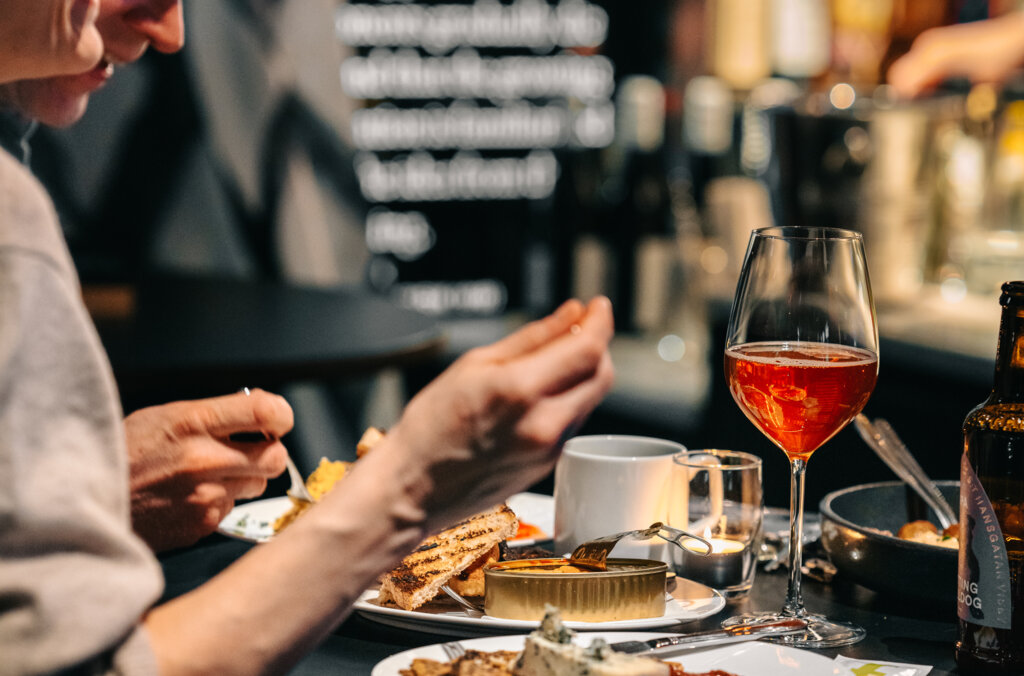
Bistro Nobel
Enjoy well-prepared lunches on weekdays, or start your weekend with us on Friday evenings.
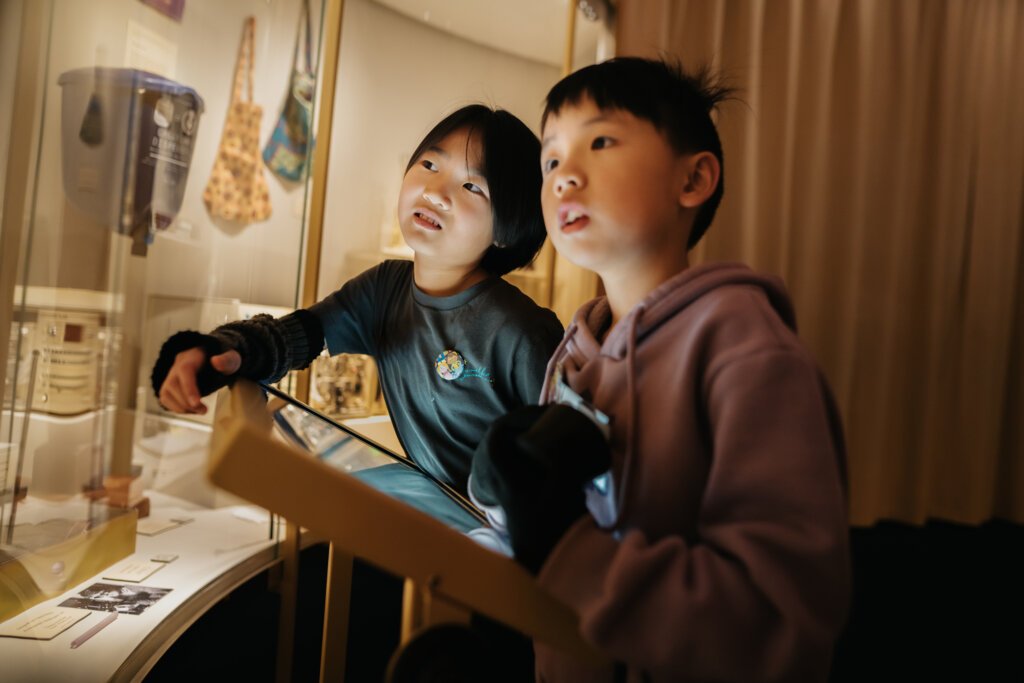
For families
Experiment in our workshop room, take a quiz or explore the childrens room.
The shop
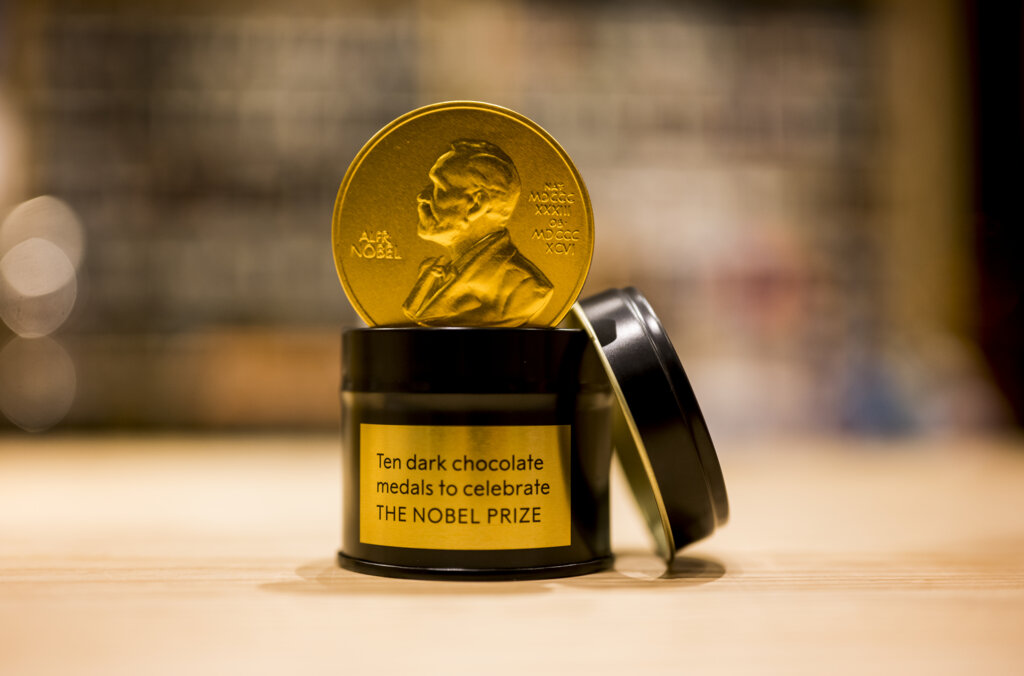
Discover a range of literature, gifts and souvenirs connected to the Nobel Prize.
Become a member,
experience more
Get free admission to the museum, and discounts in the shop and bistro. Enjoy priority access and discounts on concerts, previews, talks, and lectures.
Events
Friday nights at the museum
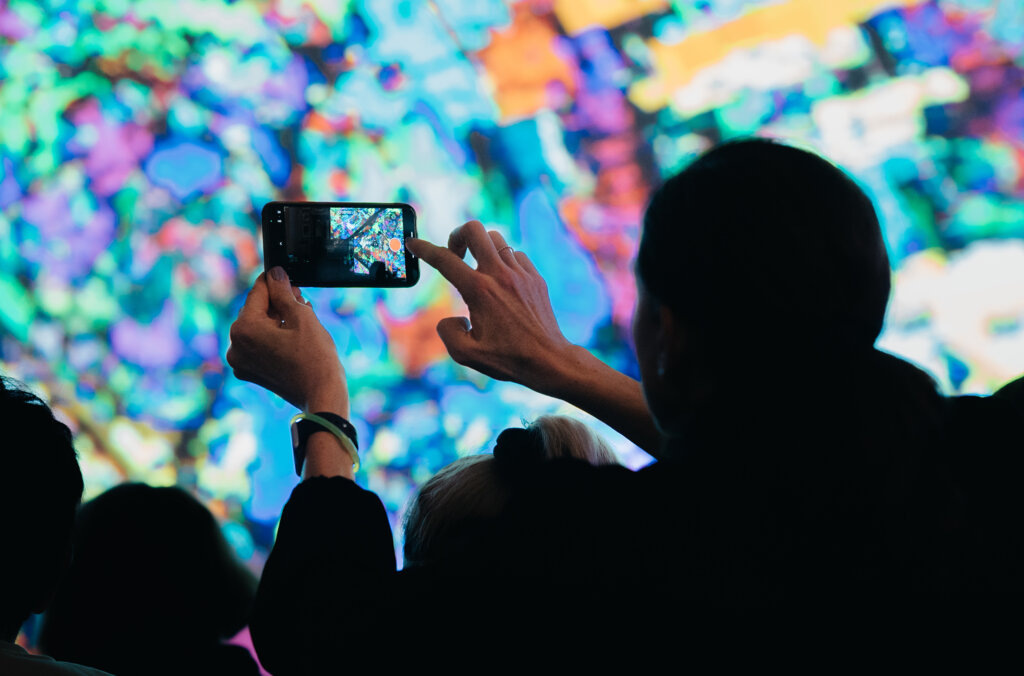
Explore our events, which span from concerts, literary talks, lectures, and performances to food and drink tastings.