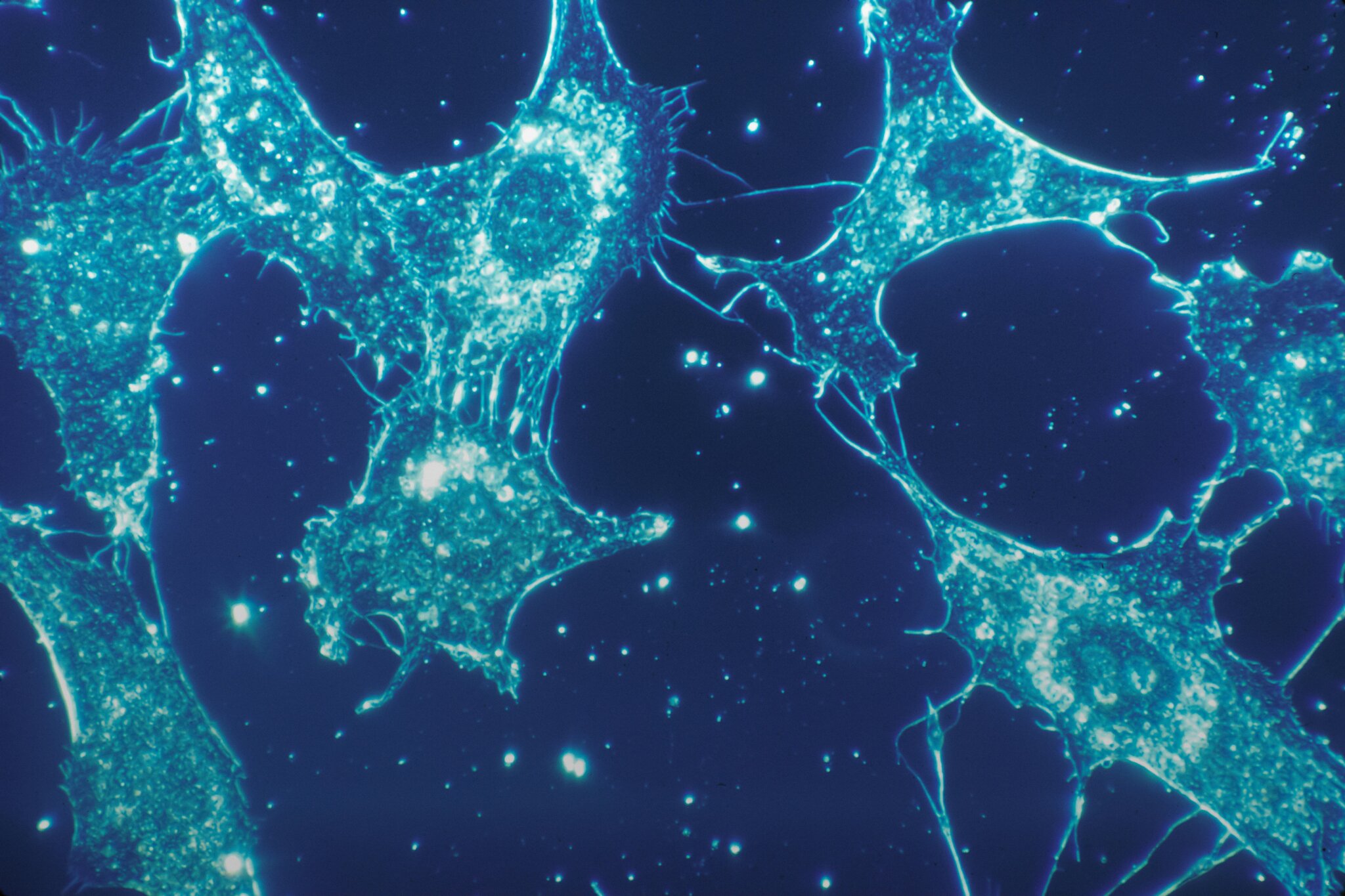
Welcome to the 15th edition of Science Today, this time themed The Cell. During the evening, three speakers—PhD students and postdocs from Karolinska Institutet, Stockholm University, and KTH Royal Institute of Technology—will present their research.
In the programme, we explore the cell’s structure and function—from energy production and membrane transport to how cells build tissues and respond to their environment. Take the time to visit the newly opened exhibition Cells, nerves, genes, when visiting the museum.
Science Today is a recurring after-work that kicks off the weekend with a mix of cutting-edge research and music from some of Stockholm’s best DJs.
This evening´s programme
17.00–18.00 Mingel and music by DJ MERILIN
18.00–19.00 Conversations and presentations on stage
19.00–20.30 Mingel and music by DJ MERILIN
About the programme
Date
22 May 2026
Time
17:00–20:30
Location
Nobel Prize Museum
Language
English
Admission
160 SEK adults
120 SEK students/seniors
Free admission for members
Tickets
Food and beverage
Lighter meals are available at Bistro Nobel for programme participants

Speakers
Julian Wagner
The Cell Membrane: Why Setting Barriers is Essential for Life
Julian Wagner is a PhD Student at the Department of Biochemistry and Biophysics at Stockholm University.
In this talk, Wagner will delve into the fascinating world of cell membrane biophysics. We take a closer look at the structure and function of the cell membrane and address the puzzling question of membrane asymmetry by combining computer simulations with hands-on experiments, creating synthetic membrane systems that mimic real cell membranes.
Finally, we will explore how this research not only deepens our understanding of how cells work, but how it might also help us better understand and treat diseases.
Pradeepa Pushparaj
Recognition of foreign antigens by B cells
Pradeepa Pushparaj is a Postdoc at the Department of Microbiology Tumor and Cell Biology at Karolinska Institutet.
This talk explores how the immune system reacts to infections and vaccinations at a single cell level.
By studying these responses, we gain insights that can help design better vaccines, discover new antibody-based therapeutics, and explain why different people respond differently to the same infection or vaccine, based on their genetics.
Ana Patrícia Spencer
From a neuron to a full brain that fits on a chip
Ana Patrícia Spencer is a Postdoc at Anna Herland lab, Nanobiotechnology division, Department of Protein Science, School of Engineering Sciences in Chemistry, Biotechnology and Health (CBH) at KTH.
What if we could model the human brain on a chip smaller than a fingertip? In this talk, Spencer will explain her work creating chip-based models of brains effected by disease using polymer chips with living nerve cells and blood vessels.
Her mission is to study conditions like epilepsy, stroke, and
the effects of radia on on the brain directly in the lab, enabling faster tesing of new treatments. Ultimately, this ny brain-on-a-chip could lead to personalized medicine, where a patient’s own cells are used to predict which therapies will work best for them.
Before your visit
Bags and wardrobe
We advise you to not bring larger bags to the museum. In our cloakroom, there are a limited number of small lockers and lockable coat hangers. The cloakroom is unattended.
Photo policy
You are welcome to take photos and film at the museum, but please do not photograph or film the staff. We photograph, film and live-stream some of our events. The material can be used in the Nobel Prize Museum’s communication channels and marketing. If an event is arranged in collaboration with another actor, the material can be used in their communication.
Accessibility
On the museum’s accessibility site you can find information about our facilities, and available resources. Click on the link below to read more.
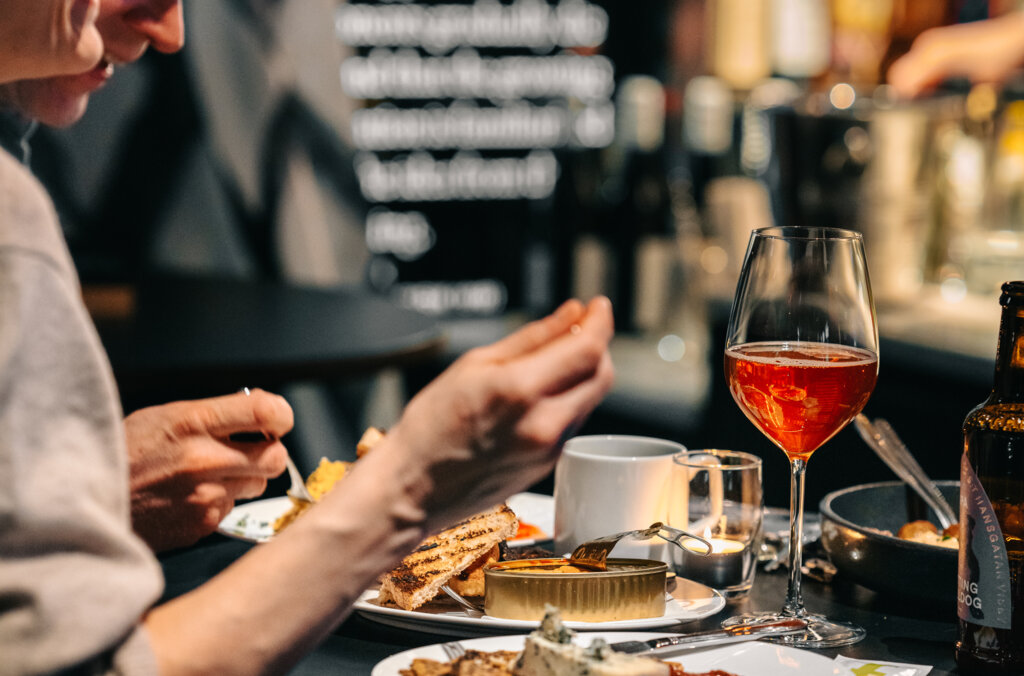
Bistro Nobel
Enjoy well-prepared lunches on weekdays, or start your weekend with us on Friday evenings.
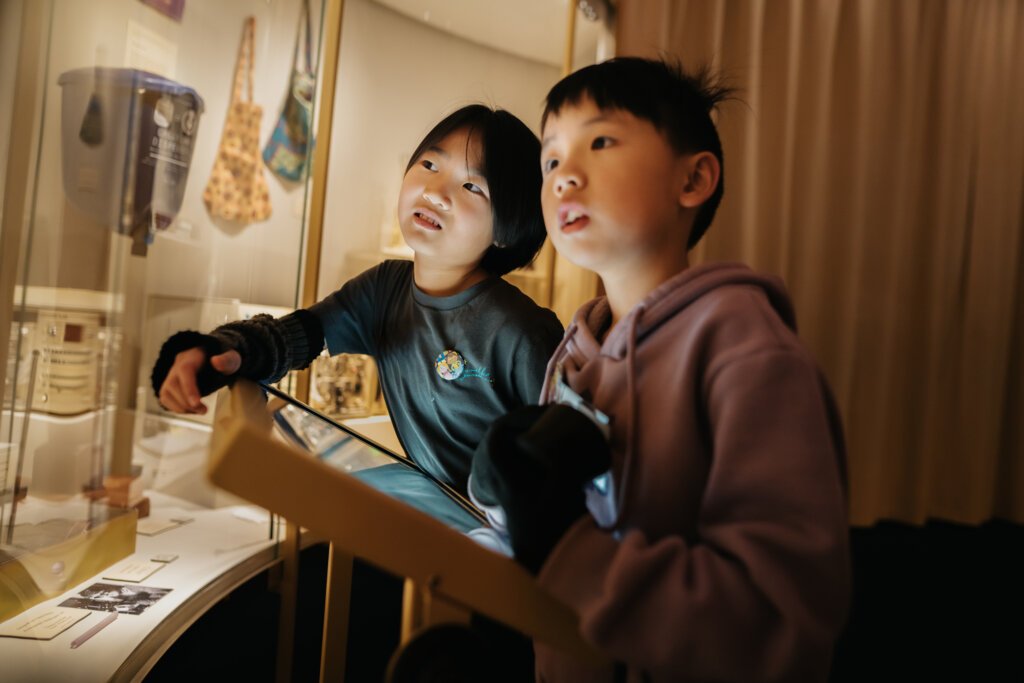
For families
Experiment in our workshop room, take a quiz or explore the childrens room.
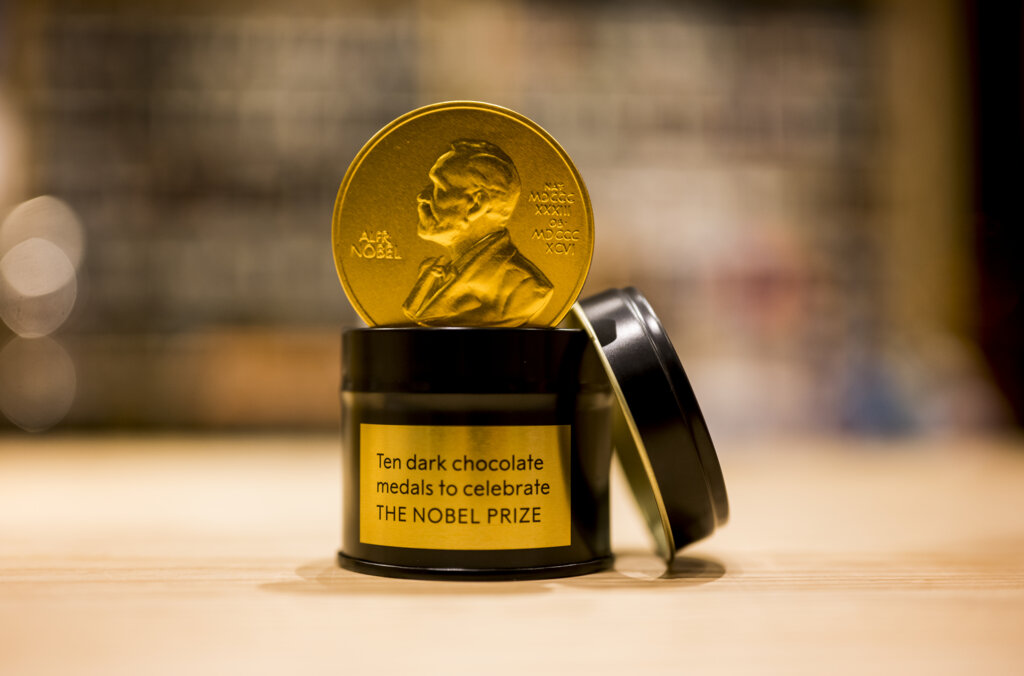
The shop
Discover a range of literature, gifts and souvenirs connected to the Nobel Prize.
Become a member,
experience more
Get free admission to the museum, and discounts in the shop and bistro. Enjoy priority access and discounts on concerts, previews, talks, and lectures.
Events
Friday nights at the museum
Explore our events, which span from concerts, literary talks, lectures, and performances to food and drink tastings.