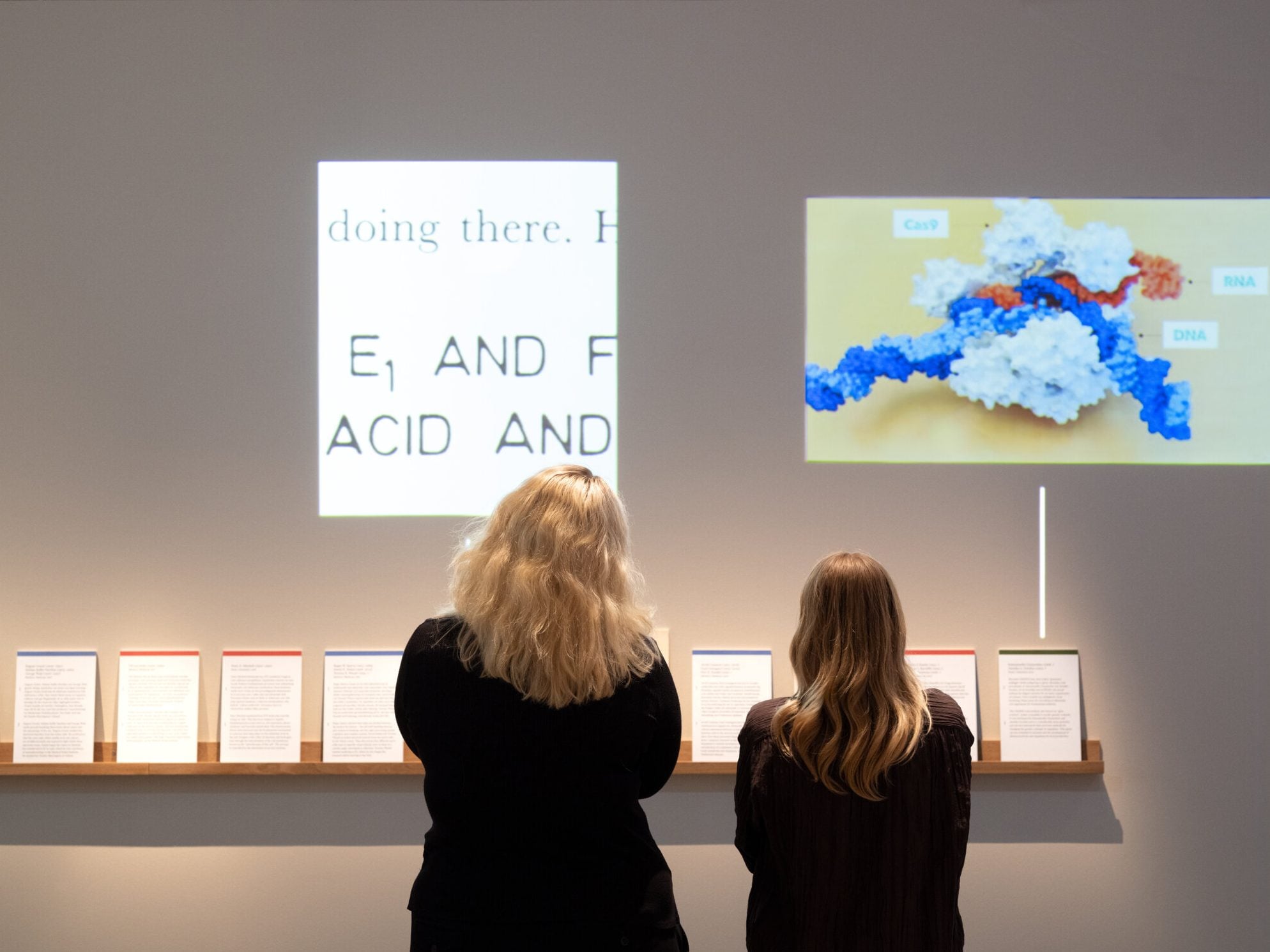
The collections of Karolinska Institutet hold a rich assortment of artefacts of the past, including books, paintings, images and instruments. Together, they document groundbreaking discoveries, previously unknown worlds and shed light on the foundations of current research. Materials from these collections are now on display in the exhibition Cells, nerves, genes.
The Nobel Prizes in Physiology or Medicine awarded in the period 1931–1933 are at the center of this exhibition. That award-winning research, the culmination of centuries of efforts to discover the smallest building blocks of life, then served as a catalyst for current and future research.
The art of depiction
Researchers have, for centuries, used images to study phenomena and communicate the result of their research. But, over time, the media and tools of representation have shifted from ink on paper to computer-generated renderings and animations.
In Cells, nerves, genes, 17th-century engravings and photomicrographic images demonstrate the strong links between scientific representation and artistic expression, and the effects of technological developments. Scientific studies of the present are always part of contemporary contexts.
The three medicine prizes
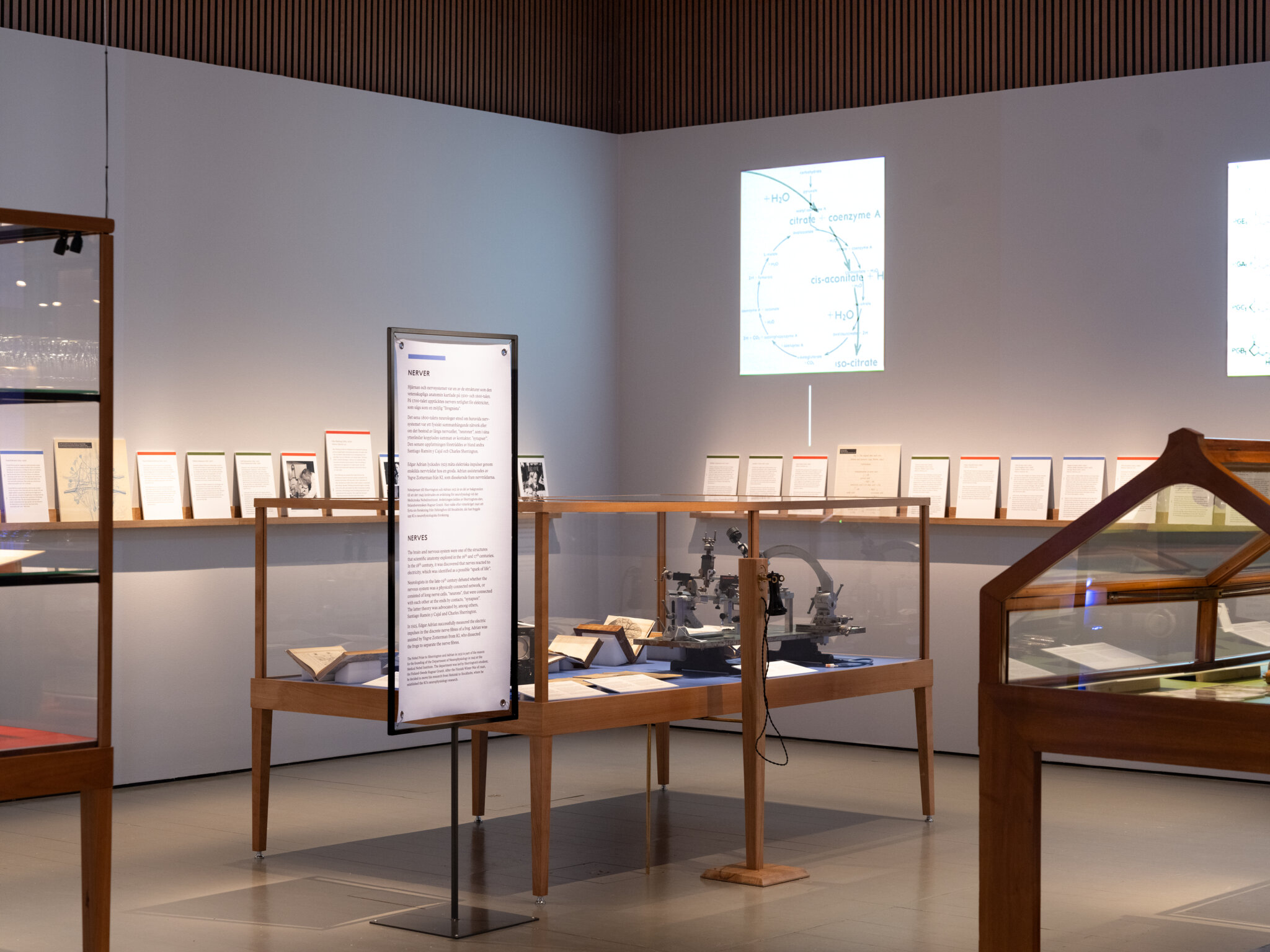
The Nobel Prizes in Physiology or Medicine in 1931–1933 were awarded for work that directly and in real time distinguished features and measured various processes at the level of cells, nerves and chromosomes.
The research carried out by Otto Warburg, a physiologist and medical doctor, measured the energy exchange in cells. He was awarded the medicine prize in 1931. Charles Sherrington and Edgar Adrian were awarded the medicine prize the following year for their research on impulses in the nervous system. Geneticist Thomas Hunt Morgan received the 1933 medicine prize for his work mapping the chromosomes of the fruit fly.
These prizes, in turn, have inspired Karolinska Institutet to host further research with the aim of experimentally observing, measuring and eventually manipulating cells, nerves and genes.
More about the medicine prizes
Learn more about some of the Nobel Prize-awarded discoveries in the fields of cells, nerves and genes.
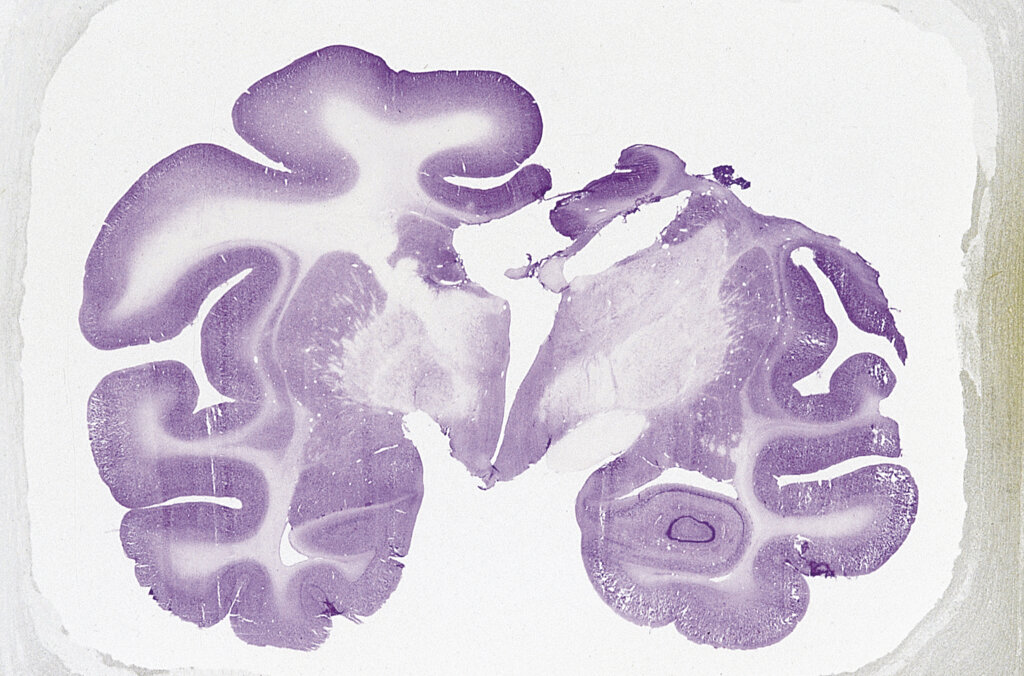
The exhibition Cells, nerves, genes is a collaboration between the Nobel Prize Museum and Medical History and Heritage at the Karolinska Institutet University Library.
The historical books in the exhibition come from the Hagströmer Library, the Historical Library of Karolinska Institutet.
The exhibited objects belong to Medical History and Heritage, but many of these have been acquired by the Medical Nobel Institute (Medicinska Nobelinstitutet), which is now part of the Karolinska Institutet institutional structure.
Before your visit
Bags and wardrobe
We advise you to not bring larger bags to the museum. In our cloakroom, there are a limited number of small lockers and lockable coat hangers. The cloakroom is unattended.
Photo policy
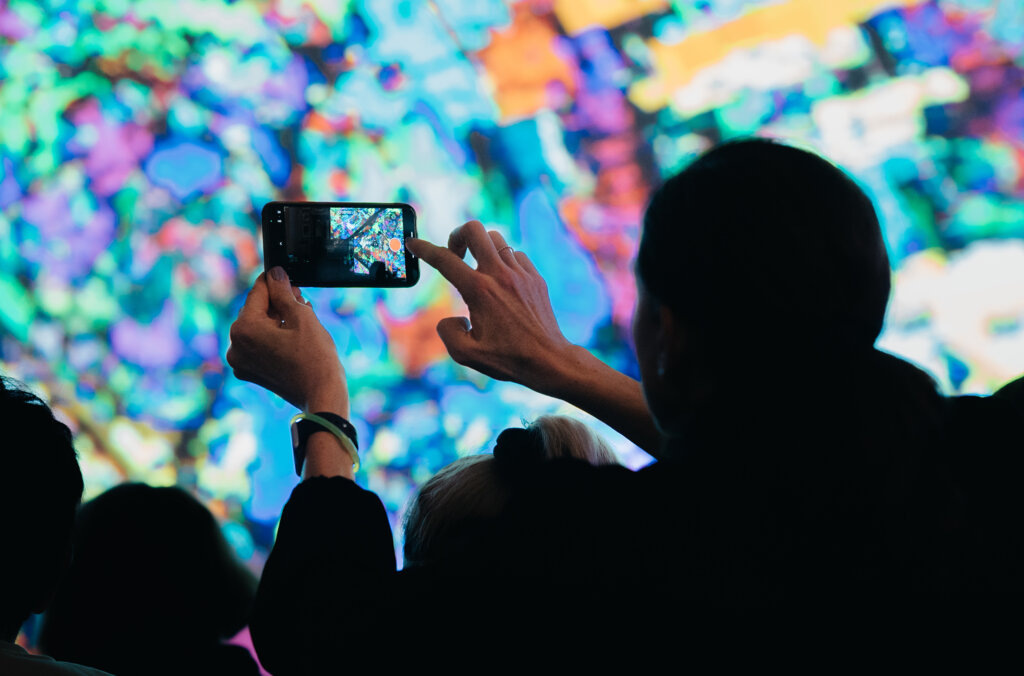
You are welcome to take photos and film at the museum, but please do not photograph or film the staff. We photograph, film and live-stream some of our events. The material can be used in the Nobel Prize Museum’s communication channels and marketing. If an event is arranged in collaboration with another actor, the material can be used in their communication.
Accessibility
On the museum’s accessibility site you can find information about our facilities, and available resources. Click on the link below to read more.

1 (of 6)
© Nobel Prize Outreach. Photo: Mattias Lindbäck

2 (of 6)
© Nobel Prize Outreach. Photo: Mattias Lindbäck

3 (of 6) Vacuum tube for mass spectrometry used in the 1950s to, among other things, examine proteins in medical research.
© Nobel Prize Outreach. Photo: Mattias Lindbäck

4 (of 6) Stop-flow machine that measures millisecond reactions at cell level in real time. Made by US chemist Britton Chance for biochemist and Nobel Prize laureate Hugo Theorell, who used it to study enzyme reactions in cells.
© Nobel Prize Outreach. Photo: Mattias Lindbäck

5 (of 6) Vacuum tube for UV microscopy. Used in Torbjörn Caspersson’s research at KI in the 1960s or 1970s.
© Nobel Prize Outreach. Photo: Mattias Lindbäck

6 (of 6)
© Nobel Prize Outreach. Photo: Mattias Lindbäck
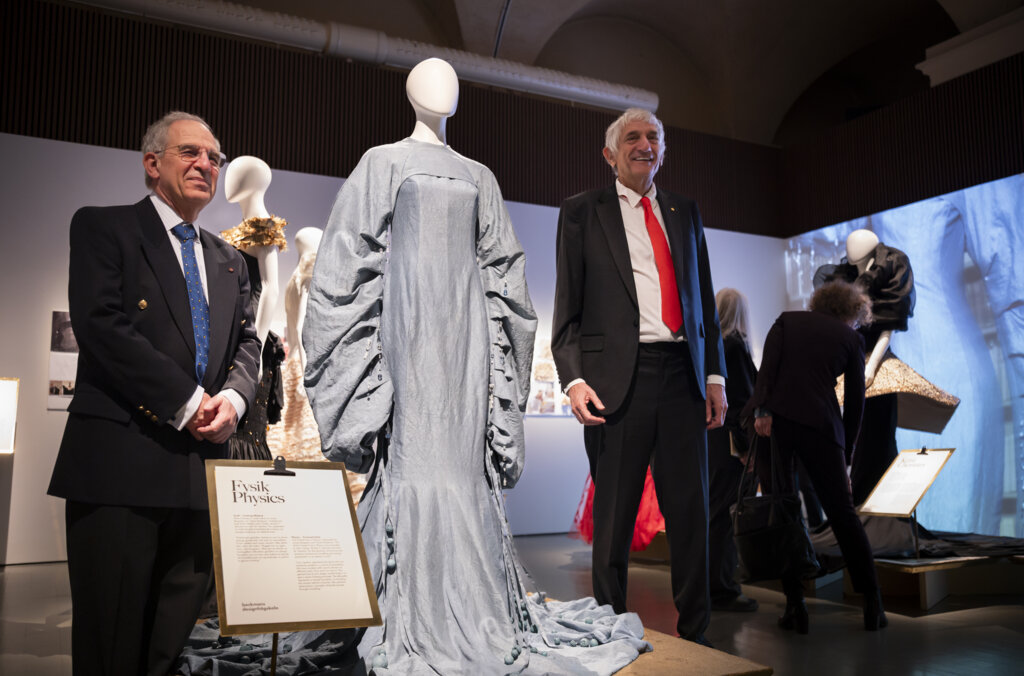
Past exhibitions
Take a look at some of the inspiring stories and ideas shared in our previous exhibitions.
Become a member,
experience more
Get free admission to the museum, and discounts in the shop and bistro. Enjoy priority access and discounts on concerts, previews, talks, and lectures.
Events
Friday nights at the museum
Explore our events, which span from concerts, literary talks, lectures, and performances to food and drink tastings.