During this evening, we dive into some of the most fascinating frontiers of natural sciences. Here, researchers work with phenomena that are incredibly small—and sometimes impossible to see with the human eye.
From particles smaller than atoms to galaxies billions of light‑years away, we explore advanced methods, models, and instruments that make the invisible visible. The speakers will talk about technologies such as telescopes, microscopes, and computer simulations, and how they open doors to worlds we could never have imagined.
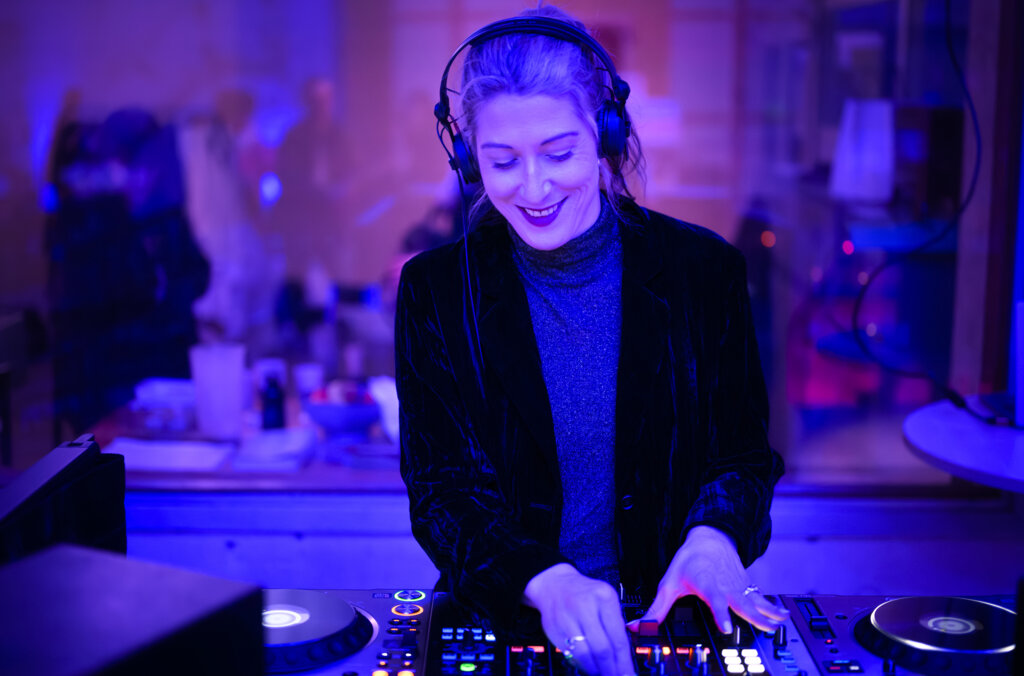
Welcome to the 14th edition of Science Today, themed The Invisible, where three speakers from Karolinska Institutet and Stockholm University will present their research. Science Today is a recurring after‑work that kicks off the weekend with a mix of cutting‑edge research and music from some of Stockholm’s best DJs.
The next Science Today will take place on May 22, with the theme The Cell.
This evening´s programme
17.00–18.00 Mingel and music by DJ Anna Korsgren
18.00–19.00 Conversations and presentations on stage
19.00–21.00 Mingel and music by DJ Anna Korsgren
About the programme
Date
3 March 2026
Time
17:00–21:00
Location
Nobel Prize Museum
Language
English
Admission
160 SEK adults
120 SEK students/seniors
Free admission for members
Tickets
Friday 22 May
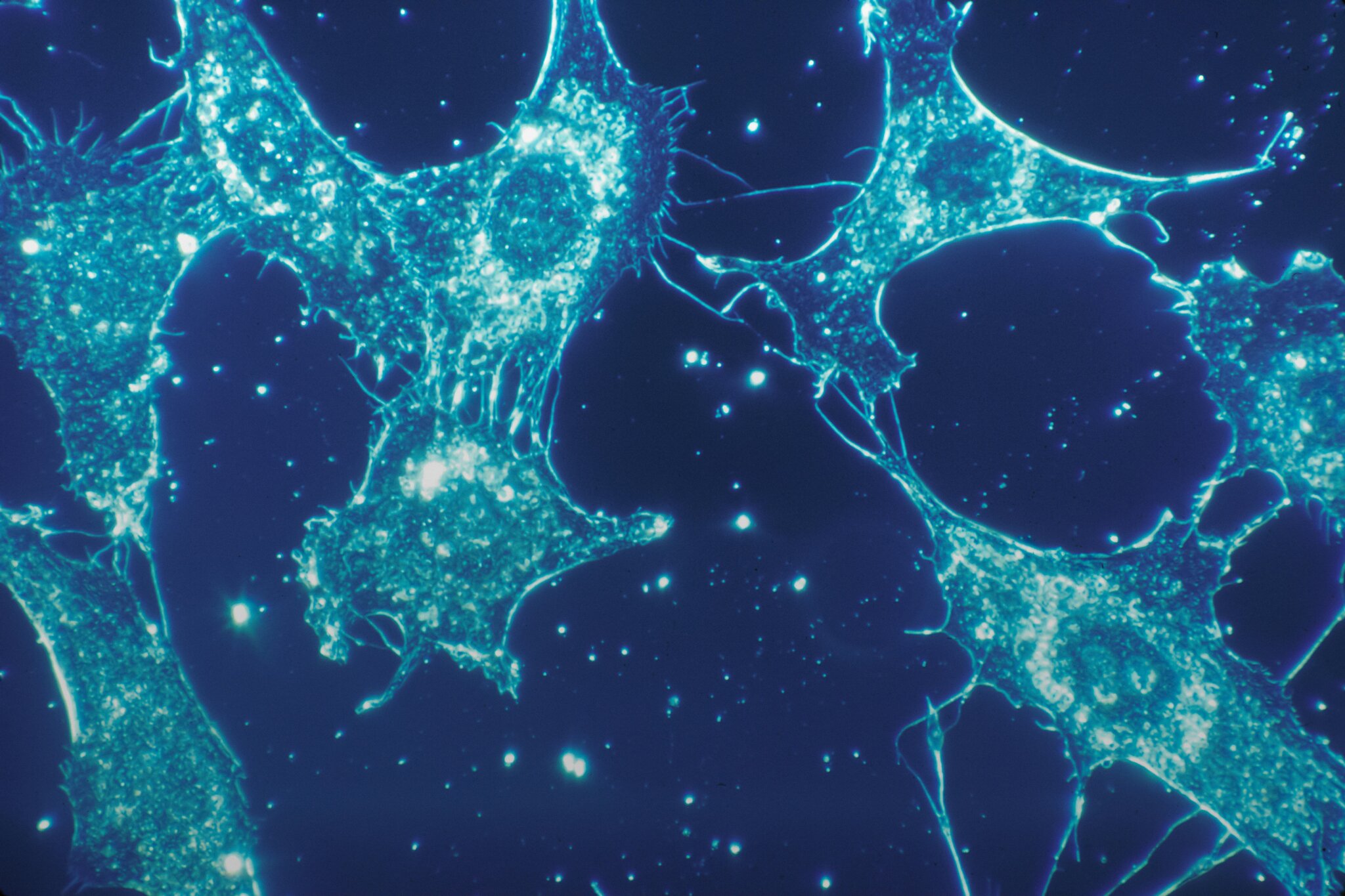
Science Today: The Cell
Welcome to the 15th edition of Science Today, this time themed The Cell. Explore the bustling microcosm of the cell and mingle to music from some of Stockholm’s best DJs.
Speakers
David Unnersjö-Jess
Revealing the Hidden Architecture of the Kidney Filter using Super-Resolution Microscopy
Kidney disease often begins with subtle and complex damage in the kidney’s filtration barrier—many of which are effectively invisible with conventional methods.
In this talk, Unnersjö-Jess will show how optical 3D nanoscale microscopy can reveal the hidden architecture of the kidney filter and turn complex changes in tissue structure into measurable, quantitative readouts. The mission is to improve diagnostics by predicting outcomes and treatment responses, while enabling faster and more cost-effective development of new therapies for kidney disease.
David Unnersjö-Jess holds a PhD from the KTH Royal Institute of Technology and is a postdoctoral researcher at the Department of Women’s and Children’s Health at Karolinska Institutet and at the Department II of Internal Medicine, University of Cologne, Germany.
Josefine Waldthaler
Through the Skull: Making the Invisible Visible in Parkinson’s Disease
Parkinson’s disease is a very visible brain disorders: it transforms how a person moves, speaks, and engages with the world. Yet, the changes in the brain driving these symptoms remain hidden. For good reason, our brain is encased in a thick skull—excellent for survival, but frustrating for scientists trying to understand what’s happening inside.
For centuries, glimpsing the Parkinsonian brain meant relying on animal models, post-mortem tissue, or the rare occasion when a patient underwent brain surgery. Today, advanced neuroimaging lets us peer through that barrier and watch the living brain at work.
As both a clinical neurologist and researcher, Waldthaler has spent the last ten years working with people with Parkinson’s disease – in the clinic and in the lab. In this talk, she will introduce you to the neuroimaging techniques that bridge these two worlds: some used in clinical practice to diagnose Parkinson’s, others pushing the boundaries of research.
By combining structural and functional imaging of the brain, we’re beginning to make visible what was once invisible: why no two people with Parkinson’s are alike, why some respond to treatment while others don’t, and how the brain fights back against the disease.
Josefine Waldthaler is the team leader for “Functional Neuroimaging in Movement Disorders”, Daniel Lundqvist’s research group, Department of Clinical Neuroscience at Karolinska Institutet.
Giacomo Bortolini
The Invisible Made Visible with the James Webb Space Telescope
Since its launch in December 2021, the James Webb Space Telescope (JWST) has already revolutionized modern astronomy. With its powerful “infrared eyes” and unprecedented spatial resolution, JWST has opened entirely new windows onto our universe, from the formation and evolution of galaxies to the birth of stars and planets.
In this talk, Giacomo Bortolini will present some of the most exciting and up to date discoveries made possible by JWST’s extraordinary capabilities, ranging from the most distant galaxies ever observed to stunning images of nearby galaxies seen like never before. All the work that is presented is currently being carried out within the Galaxy group at the Astronomy Department of Stockholm University.
Giacomo Bortolini is a PhD student from the Astronomy Department, Galaxy group at Stockholm University.
Before your visit
Bags and wardrobe
We advise you to not bring larger bags to the museum. In our cloakroom, there are a limited number of small lockers and lockable coat hangers. The cloakroom is unattended.
Photo policy
You are welcome to take photos and film at the museum, but please do not photograph or film the staff. We photograph, film and live-stream some of our events. The material can be used in the Nobel Prize Museum’s communication channels and marketing. If an event is arranged in collaboration with another actor, the material can be used in their communication.
Accessibility
On the museum’s accessibility site ypu can find information about our facilities, and available resources. Click on the link below to read more.
Bistro Nobel
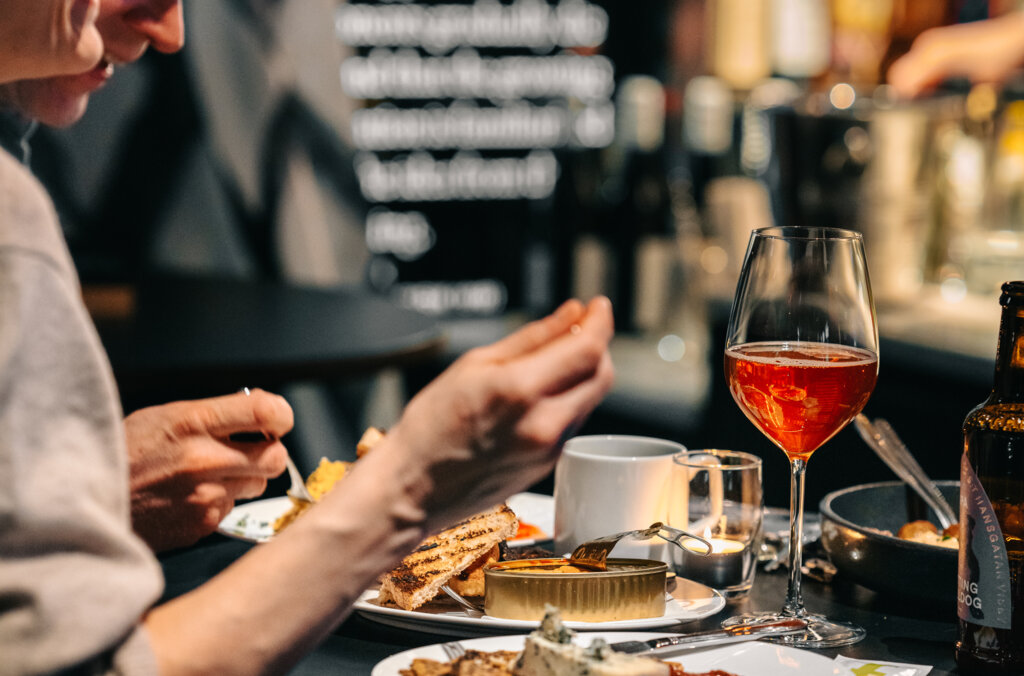
Enjoy well-prepared lunches on weekdays, or start your weekend with us on Friday evenings.
For families
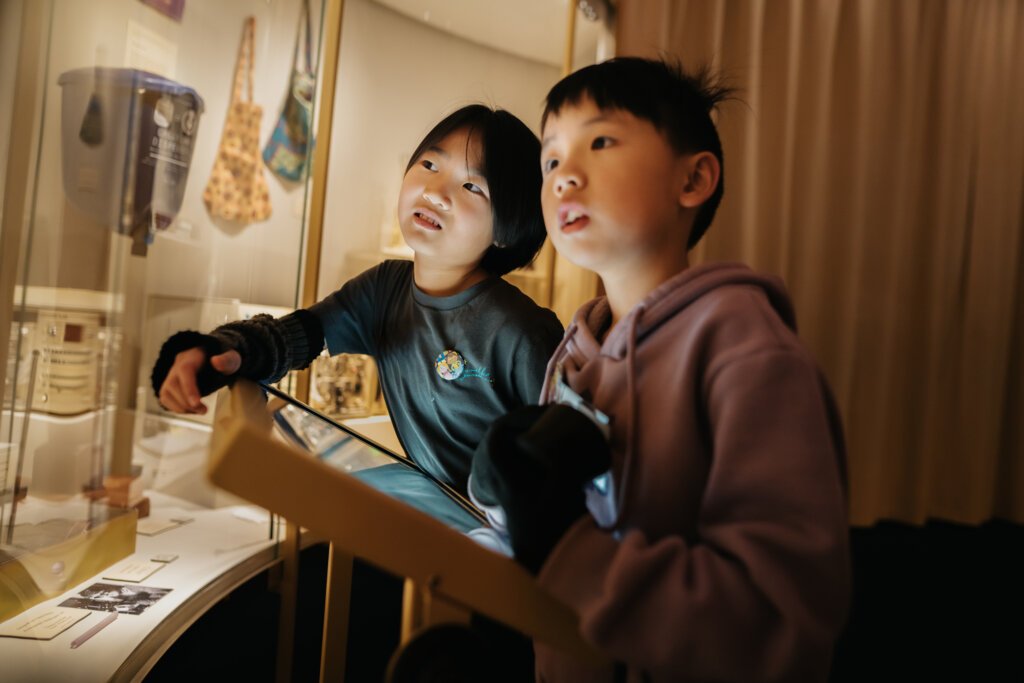
Experiment in our workshop room, take a quiz or explore the childrens room.
The shop
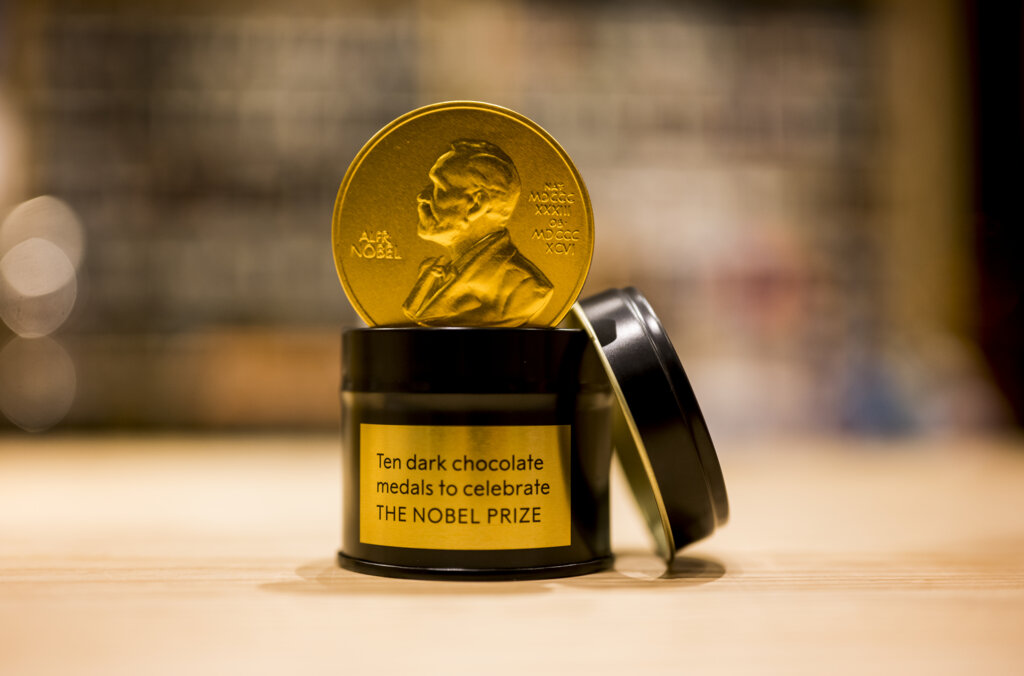
Discover a range of literature, gifts and souvenirs connected to the Nobel Prize.
Become a member,
experience more
Get free admission to the museum, and discounts in the shop and bistro. Enjoy priority access and discounts on concerts, previews, talks, and lectures.
Events
Friday nights at the museum
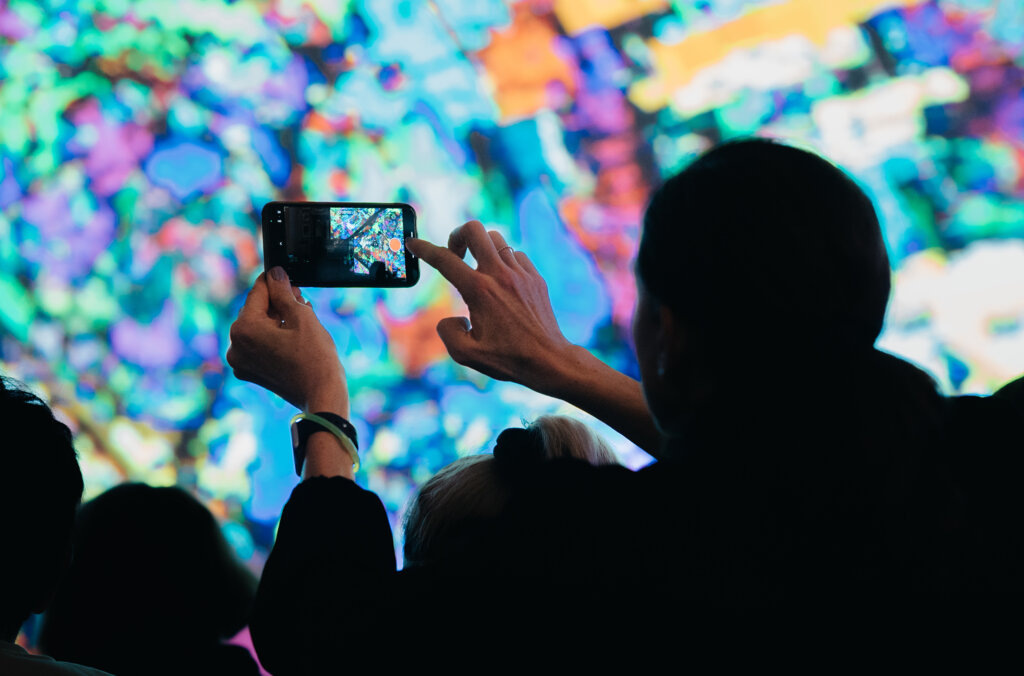
Explore our events, which span from concerts, literary talks, lectures, and performances to food and drink tastings.