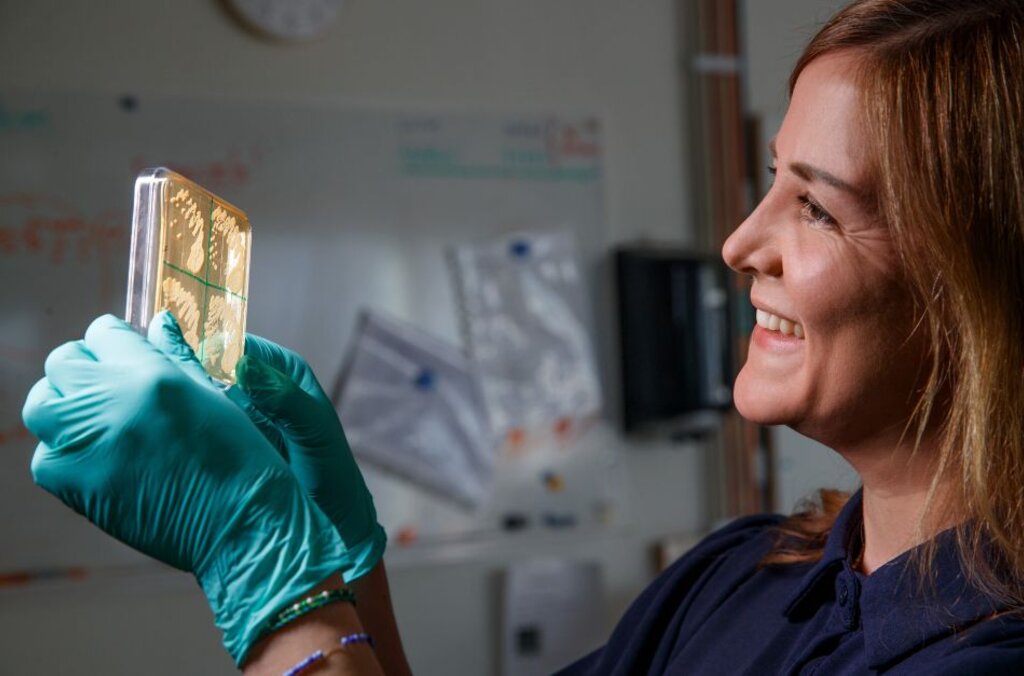
In researcher Rike Stelkens’ laboratory, populations’ adaptation to environmental stress is studied with the help of a very special organism – yeast.
Stelkens’ research group investigates domesticated and wild yeast from all over the world, aiming to understand how populations evolving over hundreds of generations adapt to stressful conditions, with a particular focus on adaptation to environmental changes and global warming.
Hear Stelkens describe her research and have a taste of her latest discovery: a wild yeast strain from Patagonia. In addition to being used in her research, the yeast has also become an ingredient in a new locally produced lager beer, developed in collaboration with the brewery Nils Oscar.
During the evening, Nils Oscar’s brewmaster Andrés Furukawa shares more about the beer’s development and leads a beer tasting* where you will get to try the beer brewed with Patagonian wild yeast, along with a few other flavors.
*Please note that the beer tasting includes alcohol.
About the programme
Date
13 February 2026
Time
18:00–19:00
Location
Nobel Prize Museum
Language
English
Admission
360 SEK regular ticketing
160 SEK for members
Tickets
Rike Stelkens
Rike Stelkens is an Associate Professor and Wallenberg Academy Fellow in the Department of Zoology at Stockholm University. She earned her PhD in Biology and has held postdoctoral and fellowship positions in Switzerland, UK, and Germany. Since 2017 she leads her own lab, specializing in experimental evolution and genomics.
Rike’s group studies how biodiversity arises. For her research, she uses domesticated and wild yeast species that live in forests all around the world. She tracks how populations evolve over hundreds of generations and adapt to stressful conditions. She is especially interested in how populations adapt to environmental change, with a focus on global warming.
Beyond applications in food and fermentation, insights from Stelkens’ research can help understand how species might adapt, or fail to adapt, under rapid environmental change, e.g. due to climate change.
Before your visit
Bags and wardrobe
We advise you to not bring larger bags to the museum. In our cloakroom, there are a limited number of small lockers and lockable coat hangers. The cloakroom is unattended.
Photo policy
You are welcome to take photos and film at the museum, but please do not photograph or film the staff. We photograph, film and live-stream some of our events. The material can be used in the Nobel Prize Museum’s communication channels and marketing. If an event is arranged in collaboration with another actor, the material can be used in their communication.
Accessibility
On the museum’s accessibility site ypu can find information about our facilities, and available resources. Click on the link below to read more.
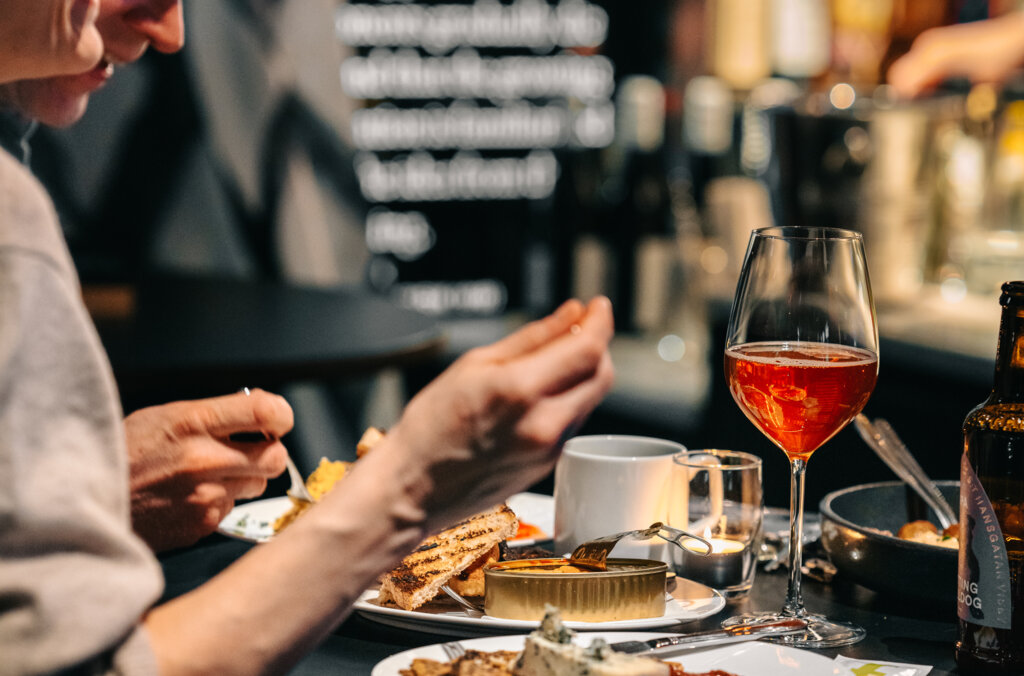
Bistro Nobel
Enjoy well-prepared lunches on weekdays, or start your weekend with us on Friday evenings.
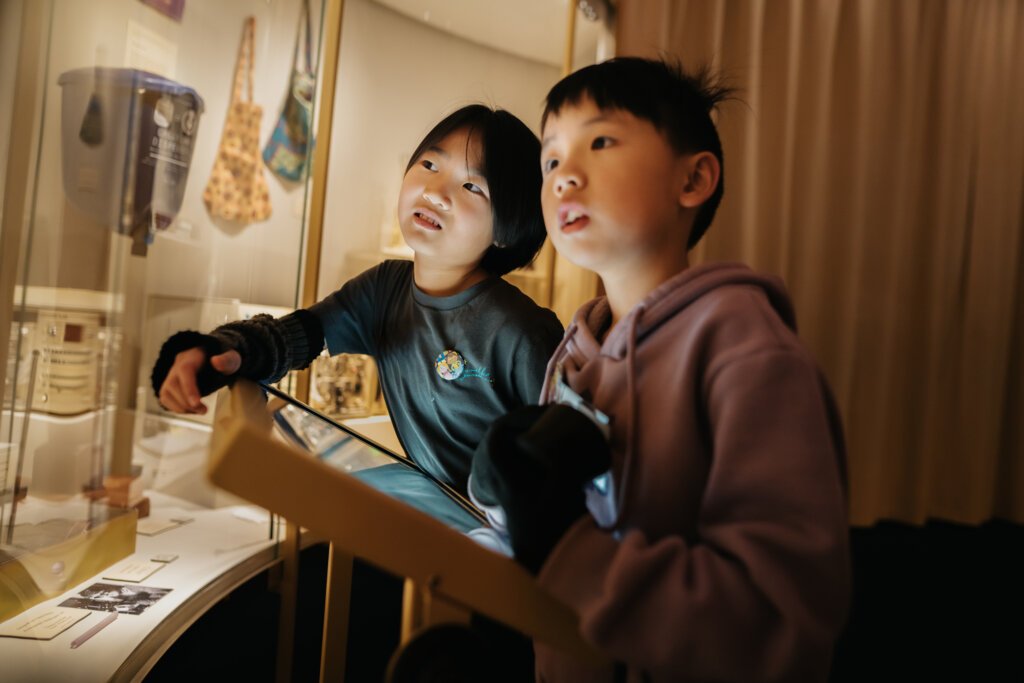
For families
Experiment in our workshop room, take a quiz or explore the childrens room.
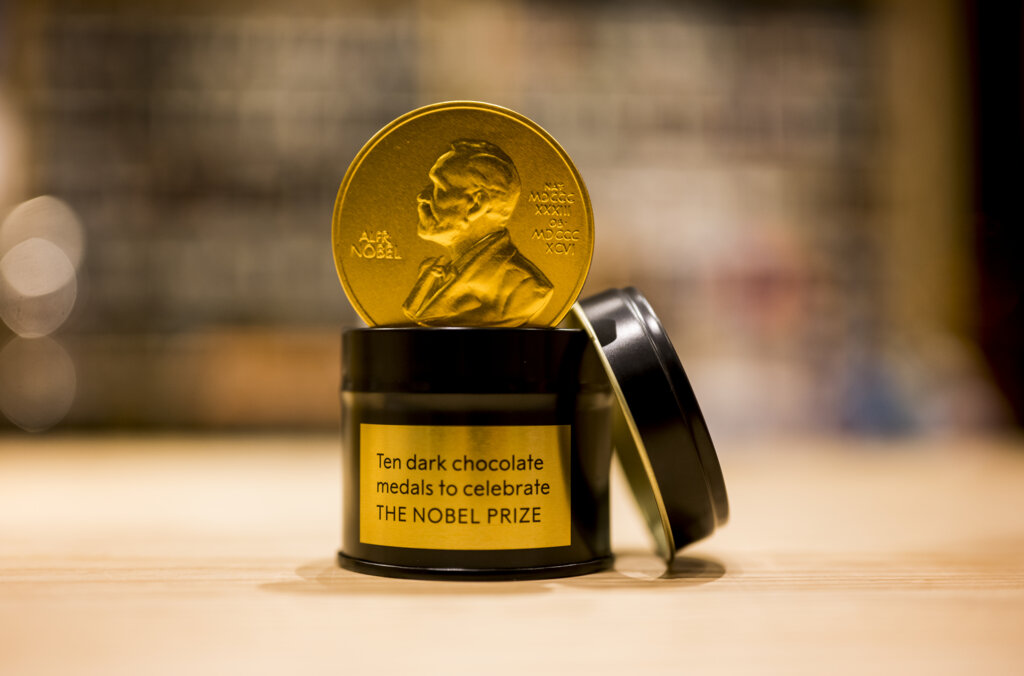
The shop
Discover a range of literature, gifts and souvenirs connected to the Nobel Prize.
Become a member,
experience more
Get free admission to the museum, and discounts in the shop and bistro. Enjoy priority access and discounts on concerts, previews, talks, and lectures.
Events
Friday nights at the museum
Explore our events, which span from concerts, literary talks, lectures, and performances to food and drink tastings.