July 2026
A Masterplan takes shape
The work on the Nobel Center has entered a phase where the visitor experience is at the forefront. Alongside the development of the building, extensive work is underway to shape how people will experience and navigate the spaces when they visit.
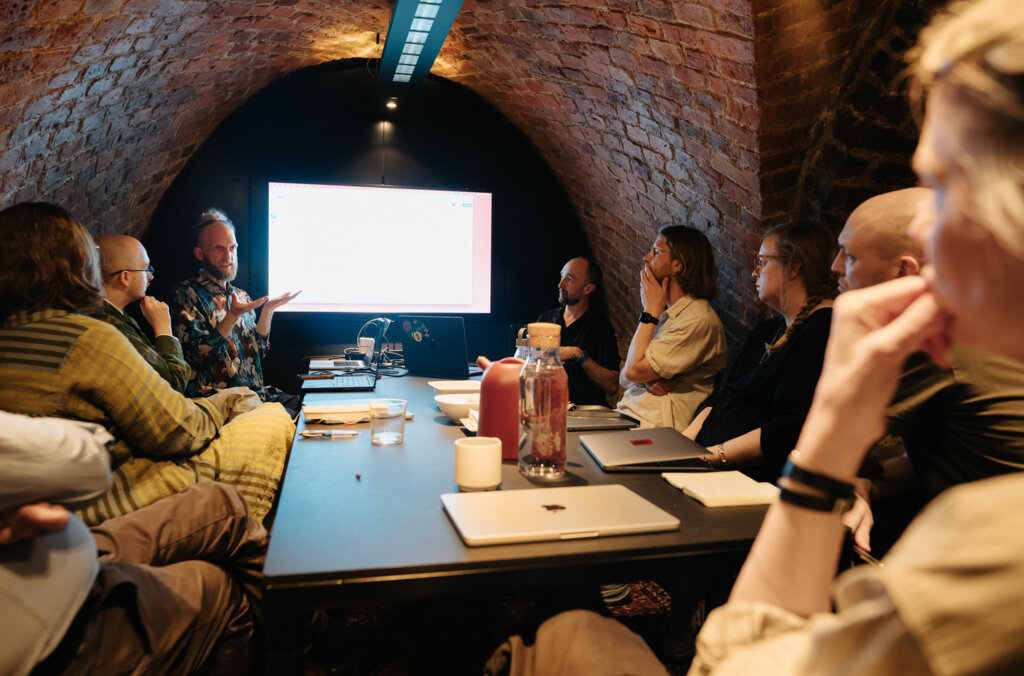
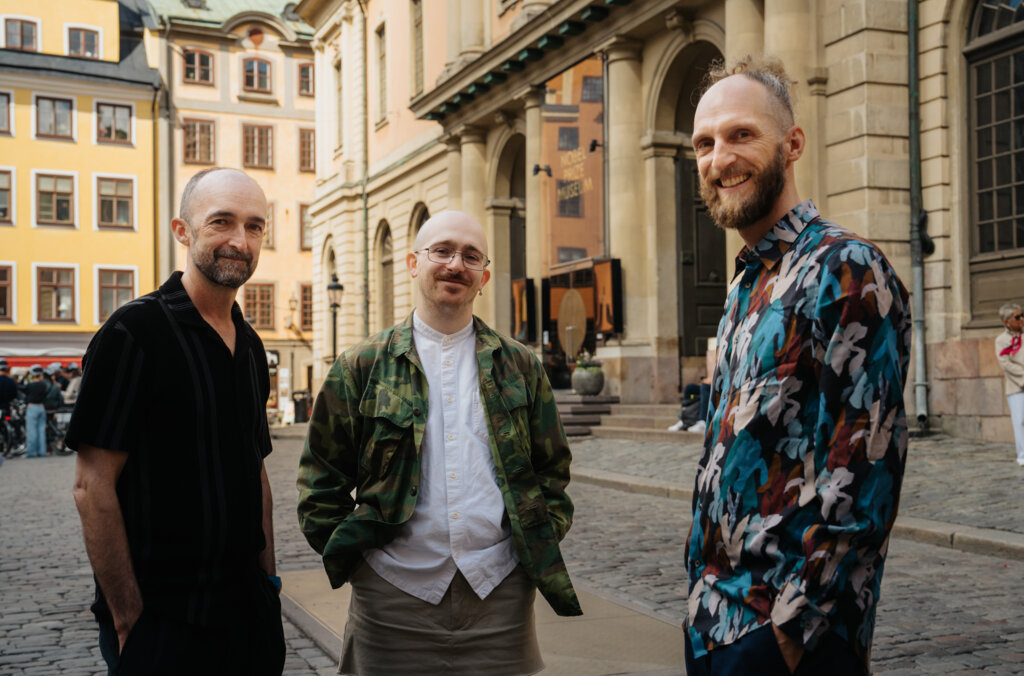
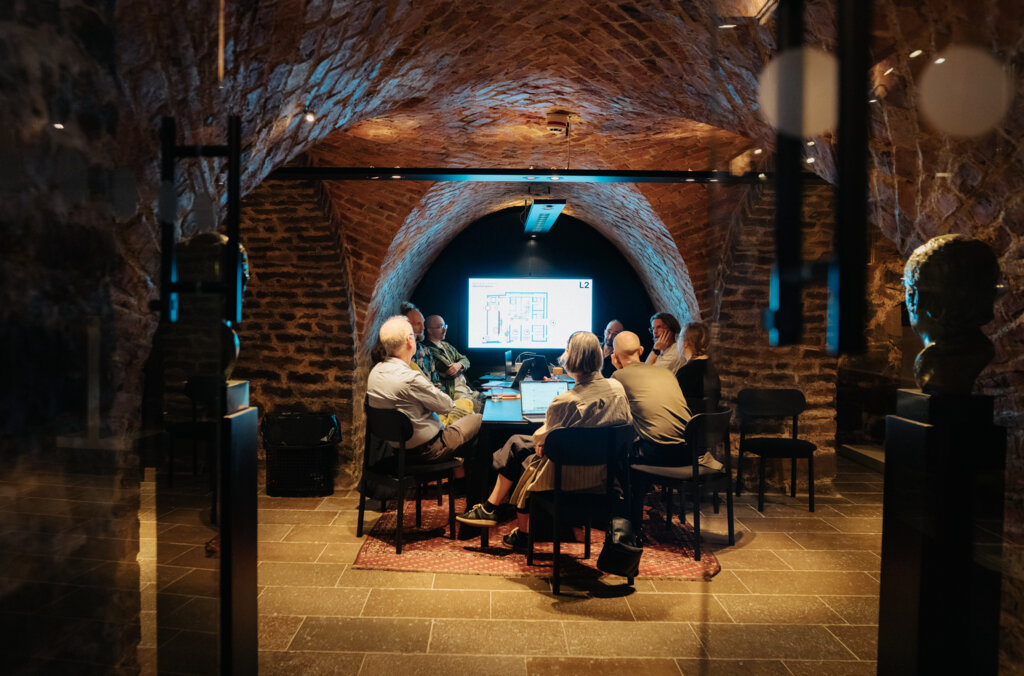
What should it feel like to arrive at the Nobel Center, and how should visitors move through the building in the most intuitive way? These questions are currently being explored through the development of a masterplan. The work is led by Sebastian Koepf, Andreas Lechthaler and Tom Hunter from Klaud (Koepf Lechthaler Architecture & Urban Design). Klaud is a British architecture and urban design practice committed to improving our built environments, making them more inclusive and enjoyable. Among work with many international institutions, they have undertaken masterplan studies for the Wellcome Collection, London and Gropius Bau, Berlin. During one of their visits to Stockholm, we took the opportunity to sit down for a conversation.
“This is a wonderful challenge and a fantastic project to work on,” says Sebastian Koepf. “Museums are public spaces that glue cities together.”
At this stage, much of the work with the masterplan focuses on function and activation. In the foyer, for example, there is of course a need for seating areas, but where should they be placed for maximum effect? How far into the building should the reception desk be located to function optimally, and how should the café relate to the other activities in the building? Many considerations need to be made, and a range of scenarios must be taken into account.
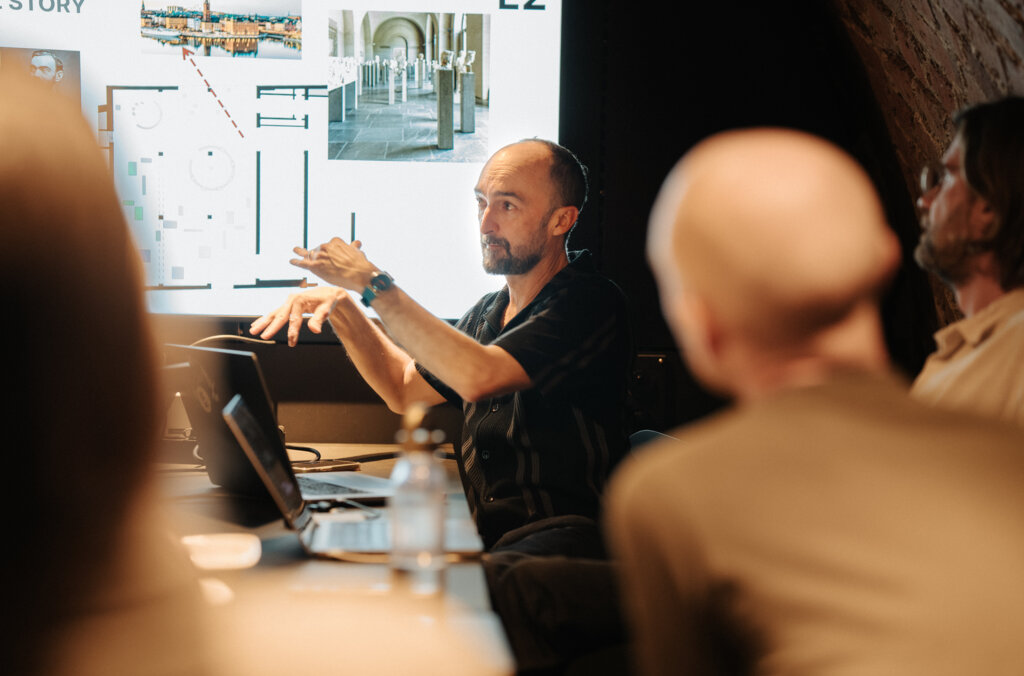
“One of our key challenges is to ensure that the building accommodates a wealth of experiences and opportunities, while still feeling clear and intuitive. Richness and clarity at the same time. We think through the experience of a local visitor as well as a visitor from other parts of the world”, says Sebastian Koepf. “We often say that we are choreographing the building,” explains Andreas Lechthaler. “We shape the atmosphere and the overall visitor experience, from the moment you approach the building all the way through and around it. Spaces need to be both accessible and activated in many ways.”
The development of the masterplan does not start from scratch. In recent years, a series of conversations called Nobel Center Talks have gathered insights relevant to the project from a wide range of stakeholders, both from Sweden and internationally. These insights are carried into the process, along with the results of workshops with experts from the Nobel organisation. Lessons learned from other major museum projects around the world are also incorporated.
“There is a wealth of knowledge that we bring into this work,” says Tom Hunter. Klaud’s approach is largely about listening and visualising. It is also about lowering thresholds, this is intended to be a building where people feel welcome and want to return.
“I think city-wide festivals and biennials often take an approach we can learn from,” says Andreas. “They are closely connected to the cities in which they take place but also act as bridges between people, places and ideas. They tap into the urban fabric, and the local context meets global perspectives. By occupying space in the city, they become part of it and help shape how we experience, use and understand urban environments.”
MORE ABOUT NOBEL CENTER
-
Getting there
On this page you get an insight into the work of creating a public building for science, literature and peace at Slussen in Stockholm.

© Nobel Prize Outreach. Foto: Clément Morin
-
The content
A home is now being built for Alfred Nobel’s unique legacy, where his handwritten will is to be exhibited permanently for the first time.

ARTECHOUSE, Time, Life, and Eternity, 2022.
© Nobel Prize Outreach. Photo: Jean-Baptiste Béranger
-
The house
Nobel Center offers a new landmark on the waterfront in the Swedish capital – an international symbol of knowledge, science, literature and peace.

Panoramic view from the north.
© Onirism/Nobel Prize Outreach
-
History
As early as 1901, when the first Nobel Prize was awarded, the idea of a permanent home for the Nobel Prize was born.
Alfred Nobel porträtt
Foto: Alexander Mahmoud